
No one knows how to get the most out of a buzzing city like Barcelona quite like a real Barcelonian. They know the best bars to catch the FC Barcelona game, what time of day you should head to the Sagrada Família to avoid the tourist hordes and where to find the best bowl of paella in the city. What you really need to navigate this modern metropolis is a guide who can steer you around its busy streets, through its thriving markets and tell you all you need to know about its rich cultural heritage. So it’s lucky that we’ve found three true Barna lovers who can help point HouseTrippers in the right direction. Our resident experts are passionate Barcelona natives who have written their own, personalised guides to each of the city’s barrios. You can forget the generic lists of top ten must-dos, because our insider writers have created a truly unique way to travel, explore and live in Barcelona. See it all through their eyes, from their favourite places to shop to their ultimate hidden hideaways and must-see sights, and create your very own unique adventure when you open the door to Barcelona.
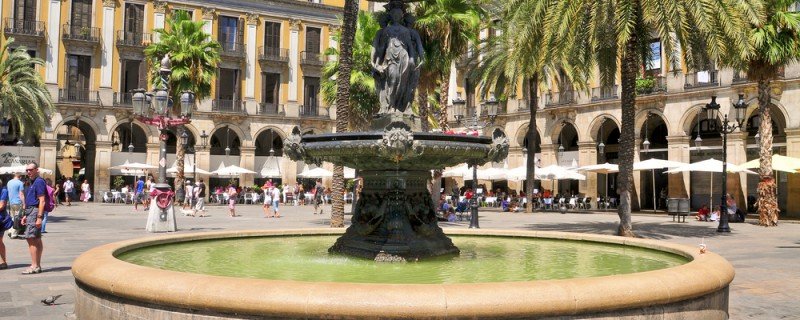
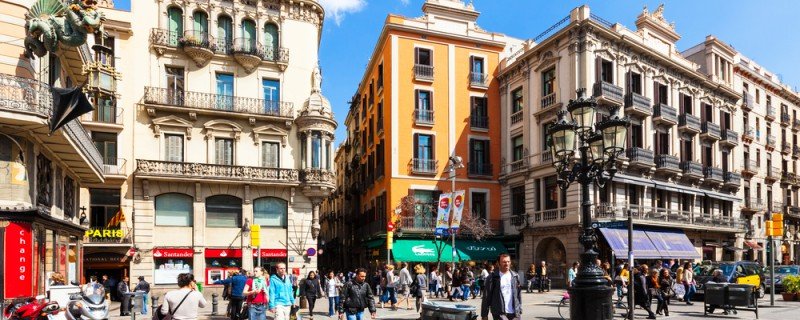
This is the ancient heart of Barcelona and a wonderfully mysterious, slightly sinister and delightfully brooding place it is too. With its labyrinthine maze of narrow streets and tall, looming buildings Gòtic’s the district of gargoyles and galleried bridges, astonishing architecture and gorgeous plazas. But for all its historic good looks, it’s one of the liveliest and most intriguing of Barcelona’s barrios. The legendary Boqueria food market lives in Gòtic and keeps company with more specialist, alternative and original shops than anywhere else in the city. Bars, cafés and restaurants still manage to feel local despite the tourists. Even in the height of summer there are tucked-away corners where the crowds seem to melt away and you can take time just to be enchanted. Nowhere else is quite like Gòtic and it could really only exist in Barcelona.
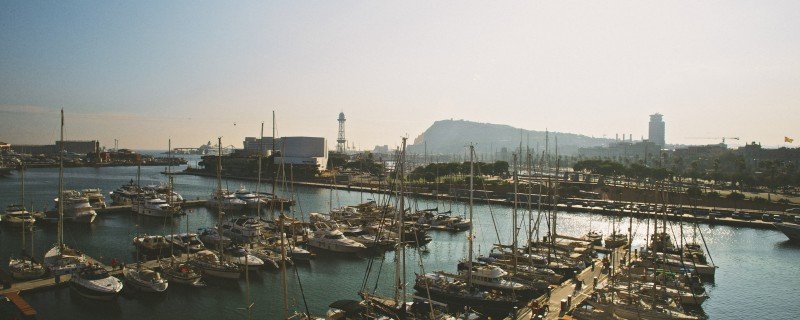
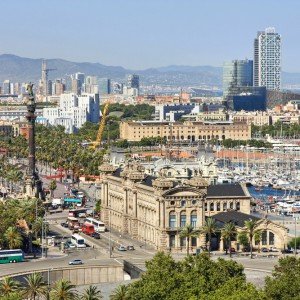
Brilliant, beachy and easy-going Barceloneta is one of the most vibrant waterfronts in Europe. Decades ago, Sunday lunch was the biggest attraction here, now it’s impossible to resist for so many reasons that Barcelona doesn’t even pretend to try. All summer the long, beautiful, landscaped promenade is packed with people walking dogs, skateboarding, rollerblading, cycling or just enjoying the reliable Barcelona sun. Sand and sea within walking distance of the city doesn’t make Barceloneta a haven of peace and tranquillity but that’s all part of the charm here. Children love it because there’s always something to get interested in, even beyond the fantastic beaches. Seafood restaurants, chiringuitos, DJs and laid-back bars are very grown-up distractions. And if you tire of the shore, explore the Old Port or head for Mercat de Barceloneta and pick up some freshly caught fish for dinner.
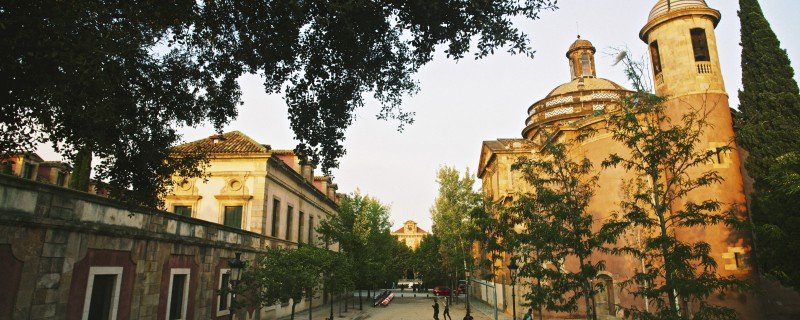
When a Barcelona based movie calls for atmospheric streets, picturesque people and just the right hint of decidedly contemporary Catalan charm, El Born immediately answers. Tucked between Barri Gòtic and Ciutadella Park and a short walk from Barceloneta, El Born is one of the city’s coolest barrios and definitely the place to stay for smart little shops, vintage boutiques, rising-star restaurants and packed-to-the-rafters chic bars. From the stunning Basilica Santa Maria del Mar and the Museu Picasso to the outrageous Palau de la Música Catalana, El Born has plenty of reasons to visit but its attractions are subtle and mostly ignored by crowds of tourists. So if you like local mixed with a distinctive design aesthetic and want to know where Barcelona’s worldwide reputation for impeccable style comes from, El Born is the barrio to reveal all.
El Raval was once the haunt of tourists bent on making sure Barcelona made good on its anything-goes reputation. But recent years have seen a lot of changes in the party barrio. It’s still the best place for clubs and bars but the atmosphere’s more bohemian than binge. Cool young designers have taken up residence in local shops for a great mix of Barcelona chic and alternative style. There’s nowhere quite like it for restaurant variety and it’s now one of the most popular barrio for non-traditional Sunday lunch. You’ll find Gaudi’s Güell Palace here and it’s also home to the Barcelona Museum of Contemporary Art, or MACBA for short, and Barcelona’s oldest church, Eglésia de Sant Pau del Camp. El Ravel isn’t quite a family location yet, but it’s certainly not the down and dirty barrio it once was and it’s wearing the change well.
Little Gràcia is a well-kept Barcelona secret. Tourists visit for Gaudi’s Casa Vicens, tick the box and then move on to crowd more famous barrios. They don’t know what they’re missing. This is one of the city’s most intriguing areas. Known for its thriving community of artists and artisans, the streets are filled with studios, workshops, little galleries and ancient specialist shops. Local life revolves around lovely Plaça where the day starts with morning coffee and ends late, catching up with friends and neighbours over drinks and tapas. And Festa Major de Gràcia in August is a week of fireworks and fire-walks, outrageous decoration and relentless carnival. Gràcia may have an artistic reputation and more than a little bohemian in its soul but it’s also completely unpretentious and worth taking a step off the Gaudi trail and getting to know better.
This legendary barrio was built in the mid-19th century to free bourgeois Barcelona from the cramped old town. Delighted with their elegantly laid out streets, the city’s wealthy commissioned the most avant-garde architects and designers of the day to fill their new-found space. So ‘ look everywhere, but down’ in L’Eixample and you’ll see the city’s iconic Modernista style in lampposts and patios, balconies and windows, chimneys, doorways and entire breath-taking buildings. Unsurprisingly this is also one of Barcelona’s most exclusive barrio and it has the chic designer shops, gorgeous galleries, expensive restaurants and elegant bars to prove it. But what is surprising is how well L’Eixample works for families. There are several delightful parks and even an artificial beach complete with toys and pools during the summer and older children love the barrio’s Egyptian Museum for all the obvious reasons.
Barcelona’s ‘Dry Town’ lies between lush Montjuϊc and the relentless activity of Parallel Avenue and, despite the name, it couldn’t be less arid. Narrow tree-lined streets, little traffic, local shops and friendly neighbourhood bars and restaurants characterise this charming barrio. And none of the big attractions live here so it’s crowd-free. But that doesn’t mean El Poble-sec is a mere bolthole for the rest of Barcelona; far from it. You’ll find some of the city’s best theatre here and it’s at the heart of Barcelona’s annual festival of music, dance and drama. Excellent and unpretentious restaurants work fresh ingredients and sensible prices. And don’t let the ‘sec’ distract you from joining the locals for a drink. There are bars all over El Poble-sec and hanging out on a warm summer evening is definitely one of those ‘only in Barcelona’ experiences.
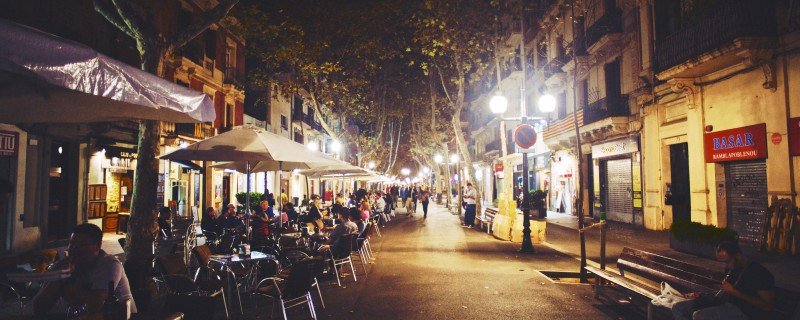
El Poblenou is an incredible barrio for all sorts of reasons. Originally the industrial heart of Barcelona, today it’s one of the most exciting, contemporary and vivid areas to live, work and play in the entire city. But, for all its beautiful beaches (it has three of Barcelona’s best), stunning warehouse conversions, astonishing new architecture and fantastic energy, El Poblenou still has its authentic soul and that’s what makes it truly remarkable. It’s a creative place with gorgeous galleries, thriving workshops, innovative restaurants and exciting designers. Huge malls like Les Glòries contrast completely with experiences like Mercat Els Encants – one of Europe’s oldest flea markets. Delis and coffee shops co-exist with traditional produce markets. The atmosphere is lively and inclusive. And, despite all the gloss, El Poblenou always manages to feel much more neighbourhood than new town in every way.
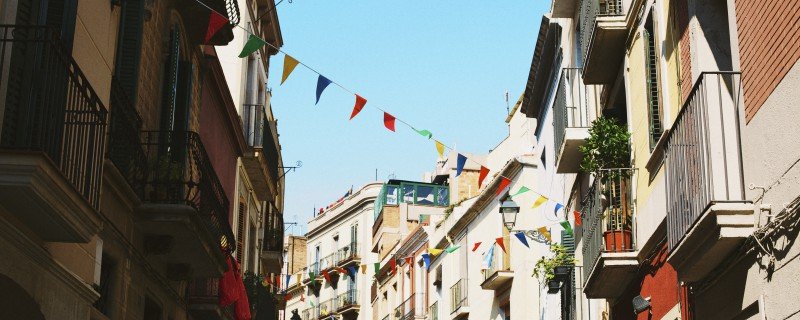
Barrios don’t come better connected than Sants. Barcelona’s main railway station Estació de Sants is here, metro lines run almost everywhere and it’s gateway to green and lovely Montjuϊc for the Old Port cable car down to the beach. But this down-to-earth barrio isn’t just about getting to other bits of Barcelona, it’s also a great place to stay for a glimpse of unpretentious local life lived with genuine Catalan passion. Balconies in Sants fly Catalonian and Barça FC flags. The shops are good value for everyday stuff you can’t find elsewhere. And Sants’ Hostafrancs Market may not have the glamour of Boqueria but the variety of fresh produce is amazing and costs much less. Visit in August for the week-long Festa Major de Sants. This is Gràcia’s greatest rival and if you’ve never experienced competitive Catalan carnival it’s unforgettable.
Beautiful Sarrià has belonged to Barcelona for less than a century and still considers itself independent. But that’s part of this lovely area’s distinctive charm. Stretching north towards magnificent Tibidabo Mountain and the imposing Sagrat Cor Temple, Sarrià doesn’t attract crowds which suits residents perfectly. Life is peaceful and well-ordered here. The plazas are graceful and elegant. Irresistible local food shops line traditional streets – those in the know, swear the amazing Sarrià Market is better than Boqueria. And restaurants and cafés feel more affluent Spanish town than major European city. But the quieter pace of Sarrià doesn’t mean dull. This is where you’ll find CosmoCaixa and Tibidabo’s legendary retro Amusement Park. And, if you get tired of Sarriàs amazing panoramic views of Barcelona, you can travel right to the heart of the city itself by train in under 15 minutes.
Barcelona isn’t a world-renowned centre for art and architecture for nothing. This is the city where 14th century Cathedrals sit alongside Gaudí Modernisme masterpieces and city centre musical fountains draw as many crowds as open air museums planted in the lush outskirts of Barcelona proper. It’s practically sacrilegious to visit Barcelona without paying homage to the most famous unfinished building on the planet at the Sagrada Família or to avoid strolling down Las Ramblas to haggle with the flower sellers, fruit markets and souvenir sellers, and even resident Barcelonians still take the air on sunday mornings in Park Guell. So, even if you’ve only got a few days to drink in this city’s heady sights and sounds, heading to at least one or two of these must-see attractions should give you an intoxicating taste of the true flavour of Barcelona.
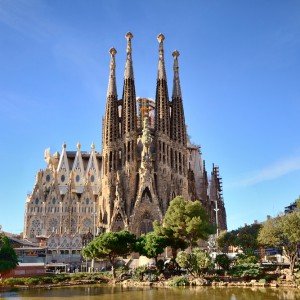
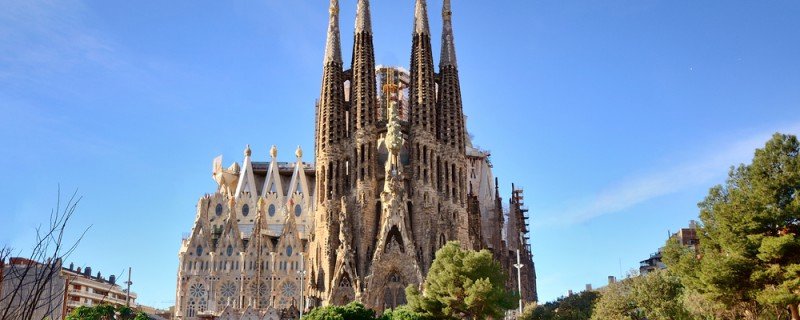
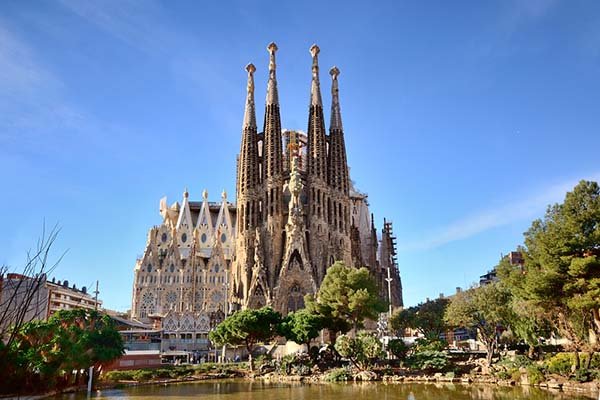
The world’s most famous unfinished building, La Sagrada Familia is Gaudi’s masterpiece and no image or virtual tour gives you the slightest hint of its awe-inspiring reality. Even with massive cranes standing sentinel as they have for decades, the cathedral’s an astonishing sight. But as always, with great magnificence comes huge popularity, and La Sagrada Familia has no equal in Barcelona. So plan ahead, especially if you’re visiting in summer. Early evening, when Barcelona is taking a break before late-dinner, is a good time for a first look at the intricate exterior. The light’s lovely and there are a couple of little parks where you can sit and contemplate in peace. To explore the interior, book tickets in advance and go as early as possible because the only possible downside to La Sagrada Familia is having to queue for hours.
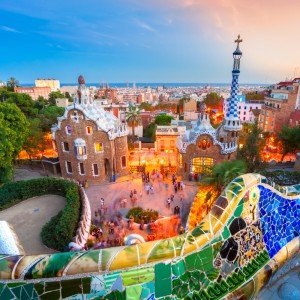
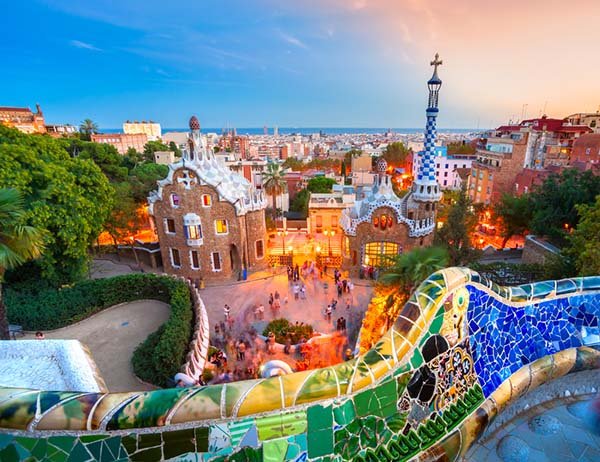
Originally conceived by Gaudi’s patron Eusebi Güell as an English style ‘garden city’, Park Güell proved too outlandish even for the Modernista-loving wealthy of Barcelona and was given to the city in 1922. Inescapably bizarre, Park Güell delights and fascinates children because it’s a fairy tale right down to the odd houses, blasts of brightly coloured mosaic, shattered tiles and iconic giant lizard. But rich detail and endless intricacies are just as mesmerising for adults and layers of brilliance reveal the control of Gaudi’s genius beneath his strange imagination. This is one of the city’s best-loved spaces, especially on Sunday afternoons, when all of Barcelona seems to be promenading proudly around. It’s also a great vantage point for sea views and a perfect place for a picnic – another excuse to visit a city food market.
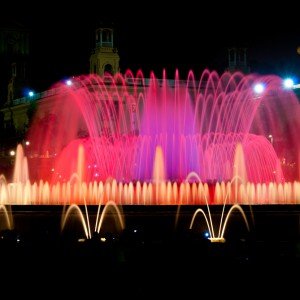
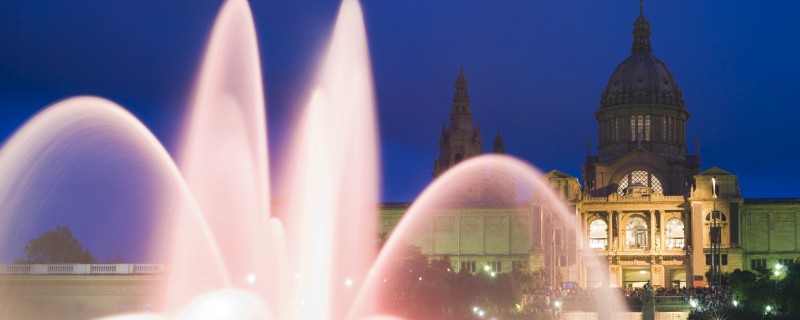
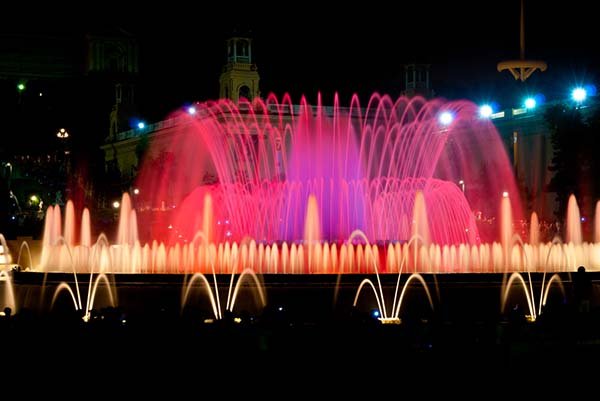
There are fountains and musical fountains, but there is almost nothing like The Magic Fountain. If you restrict yourself to one performance during your visit you have a will of iron. This immense and astonishing piece of engineering would be incredible today, but The Magic Fountain was designed and constructed for the Barcelona International Exposition in 1929 and much of the original mechanism is still in use. Every half-hour on Friday and Saturday evening from May to September, 2600 litres of water per second are pumped through the vast main fountain and its tributary fountains. A spectacular performance orchestrated by music and illuminated by a magnificent light display. The Magic Fountain is so breath-taking it even manages to put its location in the shade; it’s just below the Palau Nacional on Montjuϊc hill so that’s no mean feat.
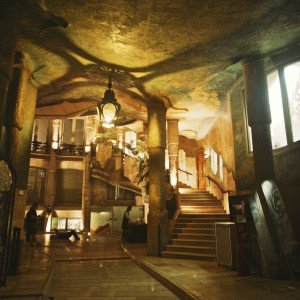
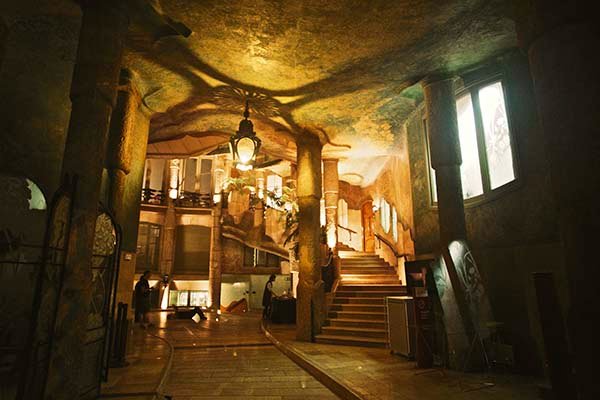
Also known as ‘La Predrera’ or The Quarry, Casà Mila in L’Eixample is the most exciting, ambitious and probably best-known of all Gaudi’s domestic buildings. Structurally it defies almost all architectural rules and to hear its construction described it doesn’t seem as if it should exist. Yet it does and has done for over a century. The façade is instantly recognisable with its undulating organic balconies and window frames, wrought iron detail and monumental chimneys. But unbelievably the interior is even more incredible, particularly the central courtyard and the staircases. Casà Mila is open every day and there are excellent audio-guides available in various languages. The building is also used as an exhibition and cultural space. But the most fascinating experience is The Secret Pedrera evening tour, even just to see the amazing roof-scape at night is worth it.
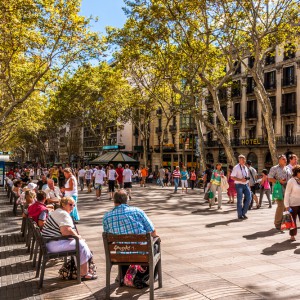
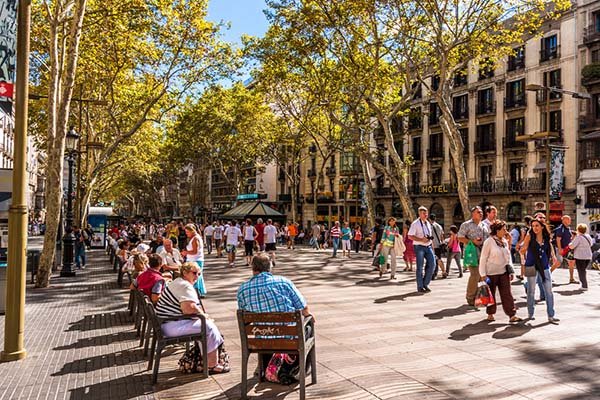
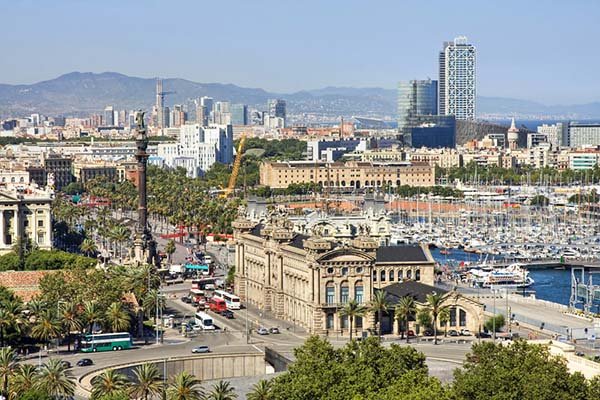
Barcelona’s most famous street is best-known for the pedestrianized boulevard that runs for 1.2km between the Plaça de Catalunya and Port Vell. Las Ramblas is not the prettiest or most authentically charming street, but you have to walk the length at least once, it’s a city rule. Competitive street performance is impossible to avoid and there’s plenty of intriguing entertainment worth the donation of a few euros – lots of human statues too, sadly. Stalls sell everything from vegetable seeds and trinkets to caged birds and cut flowers - Ramblas de les Flors has a pavement mosaic by Miro. Palau Güell, Gaudi’s first domestic building, is on Las Ramblas and at the Port Vell end you’ll find Barcelona Aquarium. So leave any preconceptions about tasteful, design-led Barcelona behind on Las Ramblas and just enjoy the spectacle.
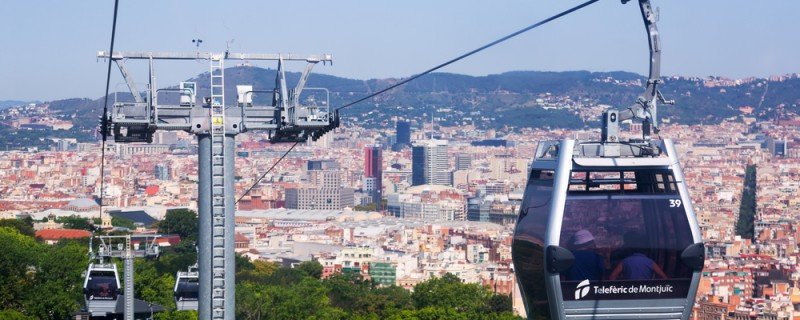
One of Barcelona’s best known landmarks, Montjüic Hill is like a delightful collection of art, history and culture planted in some of the city’s lushest, green landscape. Visit Catalonia’s diverse architecture and intriguing heritage in Poble Espanyol, a mock Spanish village and one of Barcelona’s most popular attractions. Montjüic is home to the incredible Magic Fountain and the Palau Nacional which houses the Museum of Catalan Art. You’ll also find the Joan Miro Foundation here, a vast collection of over 14,000 of the artist’s works. And if the surrounding green of the hill itself isn’t enough, you can stroll round Barcelona’s celebrated Botanical Gardens. Even ascending Montjüic can be an event in itself if you catch the Teleferic de Montjüic Cable Car which soars up the hill all the way to Montjüic Castle – definitely one of the city’s finest views.
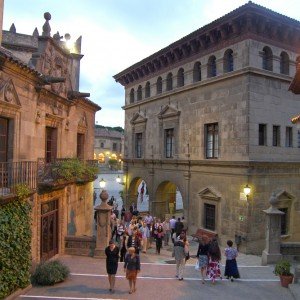
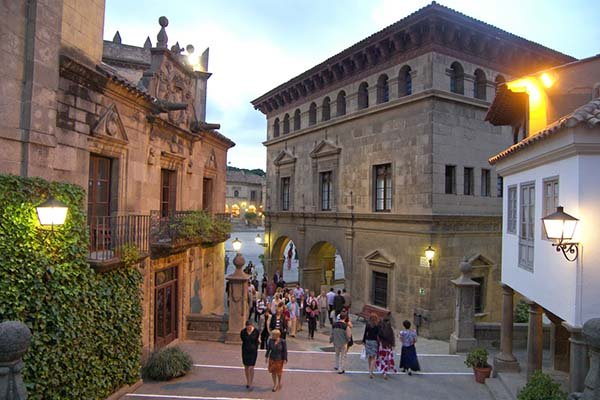
Along with The Magic Fountain, another magnificent legacy of the 1929 Barcelona International Exhibition is Poble Espanyol on Montjüic Hill. This mock-Spanish village was originally designed to display the traditional styles of rural architecture across every region of Spain from rugged Galicia to the Mediterranean’s Balearic Islands. Enchantingly pretty and beautifully cohesive despite its immense diversity, Poble Espanyol is one of the most visited sights in Barcelona. But, fascinating as an open-air architectural museum is, several more recent additions to Poble Espanyol are equally interesting. From Flamenco performance to traditional Catalan cooking and art exhibitions, Poble Espanyol has been thoughtfully reimagined within the original spirit. And the spectacular La Terrazza club with its light shows and DJs gently pulls Ibiza into the mix keeping Poble Espanyol true to its 1929 roots even at 3am on a Barcelona summer morning.
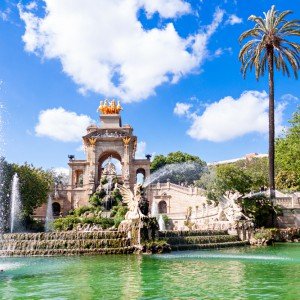
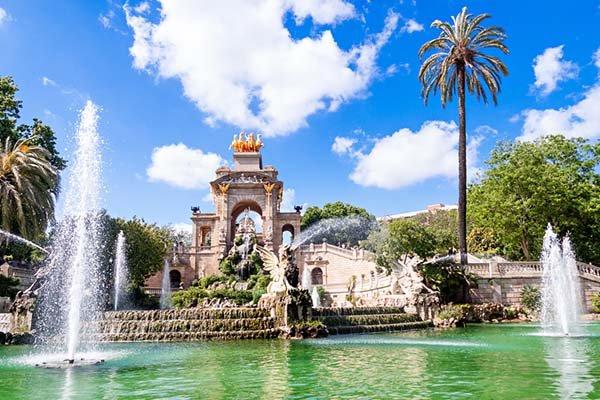
Barcelona’s largest green space, Parc de la Ciutadella covers 18 hectares and is as well known for its art and architecture as it is for lush plants and water features. Ciutadella is home to the lovely Catalan Parliament building, Montaner’s Castell de Tres Dragons and Llimona’s poignant and much-copied statue ‘Despair’. The city uses the park all year round; it’s a popular lunchtime spot to catch some summer sun and the post-Sunday lunch stroll is a longstanding city tradition. But the biggest draw of all is the renowned Zoo de Barcelona at the heart of Ciutadella. With over 7000 animals and 400 species this is one of the most amazing places for children – the dolphin show and petting zoo are particular favourites. And, in the unlikely event of boredom, the boating pond is another much-loved Ciutadella highlight.
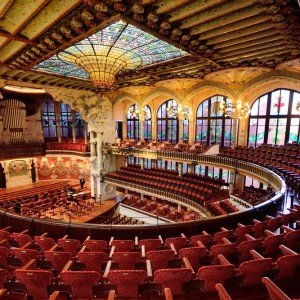
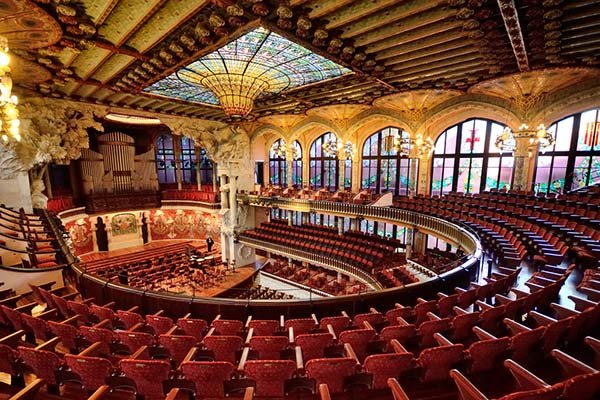
Arguably, the most spectacular modernist building in Barcelona wasn’t designed by Gaudi. The Palau de la Musica Catalana is the work of Montaner and it’s the city’s pride and joy. The exterior alone overflows with sculpture and ornamentation set against the deceptive simplicity of red brick. But nothing can quite prepare you for the sheer extravagance of the Palau’s magnificent interior. The auditorium has one of the world’s most admired stained glass ceilings. Light filters gently through blue and gold to represent the sun and the sky and it’s hard to believe that even the most celebrated musicians don’t feel just a tiny bit eclipsed in such stunning surroundings. The Palau has a wonderfully diverse concert programme throughout the year ranging from traditional flamenco to chamber music and contemporary jazz – or you can simply visit to see the building itself.
Off the beaten track isn’t exactly a phrase you’d usually use to describe Barcelona. In fact, over the years it has attracted everyone from world-renowned artists like Picasso to famous footballers to its colourful streets and heritage-steeped city centre. But, while it may have been so well known that it even had a song written about it - who can forget that Queen anthem? - Barcelona still has a secretive side that you’ll have to work a little harder to uncover. Once you’ve ticked off the big hitting sights on your holiday wish list, there’s plenty of time to explore that little bit deeper into Barcelona’s quirkier side, from its most iconic theme park and best flea market to elevated running trails and hidden bunkers with spectacular views. Well and truly discovered it may be, but this city still has a few tricks up its sleeve, so pick one of these inspiring alternatives and conquer your own slice of alternative Barcelona.
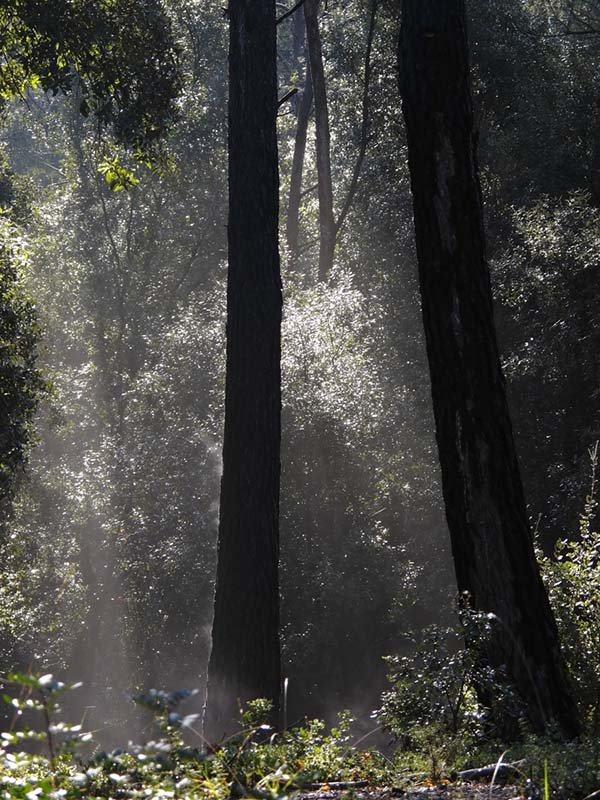
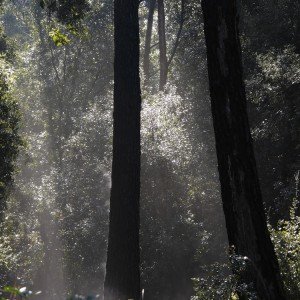
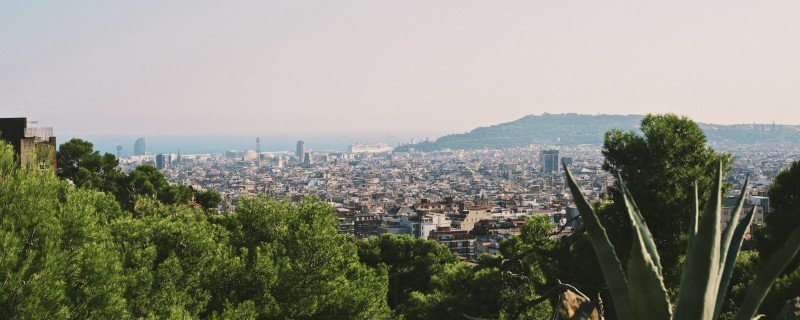
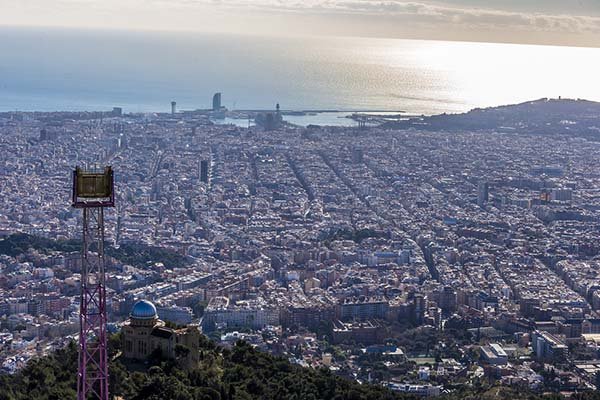
Collserola National Park isn’t simply a tourist attraction in itself, it’s also the home of one of Barcelona’s best walking routes, the Carretera de les Aigües or the ‘road of waters’. You’re more likely to find locals taking their morning constitutional or weekend cyclists from Barcelona’s inner barrios peddling to the summit of this panoramic trail than you are tourists. and that’s because they know the secret of The Carretera de les Aigües: it’s one of the best places to escape the city crowds. Snaking its way around the forested peaks of the Collserola Mountains, just as the water pipes it was named after used to, this track reaches 450 metres at its highest point, so if you brave the walk you’ll be rewarded with an unparalleled view of Barcelona stretched out below Collserola Ridge.
Few areas in Barcelona embody its sense of history quite like the Sant Pere and Santa Caterina. Latticed by narrow, residential alleyways and studded with crumbling, Medieval and Romanesque architecture, they’re resolutely residential places where you’ll find a couple of the city’s old and new gems: the ancient monastery of Sant Pere de Puelles, whose history dates back to 945 AD and the undulating, technicolour patchwork roof of the Santa Caterina market. Underneath the ceramic tiles of this vibrant market you’ll find a food lover’s paradise with thousands of stalls overflowing with everything from freshly butchered local meat and fish to glistening piles of just-picked fruit and flowers. This place can be a bit of a sensory overload, so it’s best to arrive early, buy some snacks and head to the nearby green expanse of Parc de la Ciutadella.
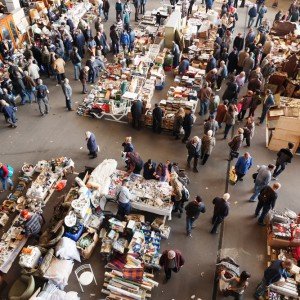
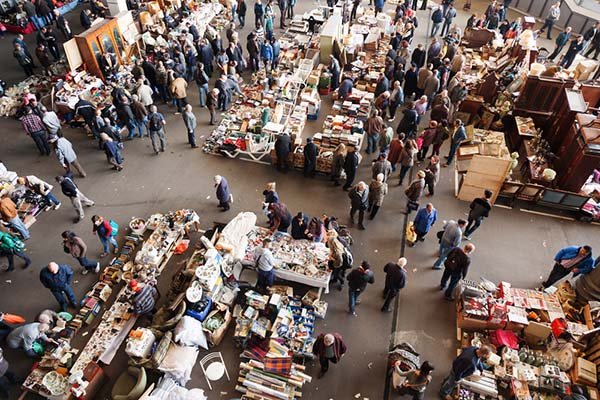
Barcelona might have designer boutiques and high street labels lining the city centre streets in their hundreds, but if you want to haggle for something truly unique to take home then there’s no better place to hunt for treasure than at El Encants Vells. This vast, sprawling flea market s the oldest and largest of its kind in Barcelona and spills outwards from the Plaça de les Glòries in a confused tangle of antiques stalls, modern power tools, vintage clothes shops and stacks of second hand books. The best time to arrive is early on a Monday, Wednesday and Friday, when the public auction kicks off around 7am and you could see anything on sale, from rusted second hand bikes and kitsch collectables to antique furniture and suitcase loads of retro clothes.
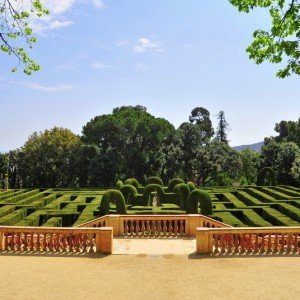
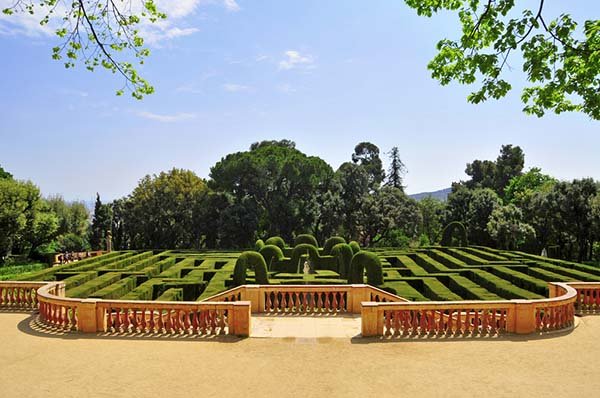
This emerald jewel of a park is tucked away in the district of Horta and Guinardó against the Collserola Ridge and is the oldest garden in Barcelona, not to mention one of its prettiest. Designed and crafted more than 200 years ago by Italian engineer Domenica Bagutti in 1792, the garden was originally commissioned by Marquis Joan Desvalls and is a perfect example of aristocratic landscaping. Today, the Parc del Laberint is where Barcelona locals go to escape the bustle of the city, whether it’s wandering around its manicured flower beds, admiring the impressive waterfall and the mythological sculptures that are dotted around the pathways or getting hopelessly lost in the park’s namesake: a labyrinth of cypress trees. If you make it out of the maze, make sure you visit the Torre Soberana, a restored 14th Century house that’s nestled in the park’s grounds.
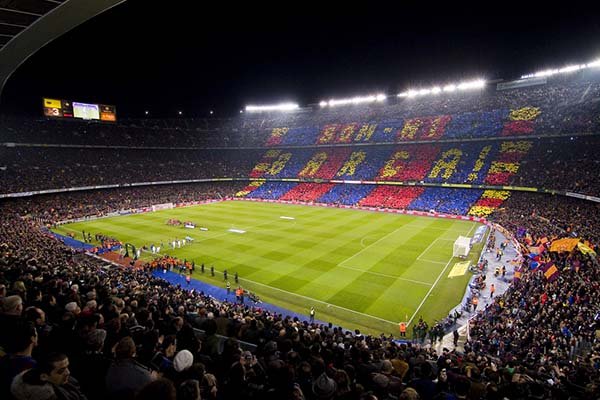
The beautiful game isn’t just a hobby or a part-time sport in Spain, it’s a way of life. If any city understands this level of obsession and dedication, it’s Barcelona, and, with a home team like FC Barcelona, it’s easy to see why. With the slogan “more than a football club”, nothing will help you tap into this Spanish sporting passion more than a visit to the hallowed grounds of Barça’s stadium, Camp Nou. Found out in the Les Corts district in Barcelona’s financial centre, diehard football fans can take the stadium tour, which includes a ticket to the FCB Museum - a modern throne room where the club’s 22 Liga and four Champions League trophies are stored - as well as a walk down the player’s tunnel and access to The Messi Space, a shrine to the Argentine football legend Lionel Messi.
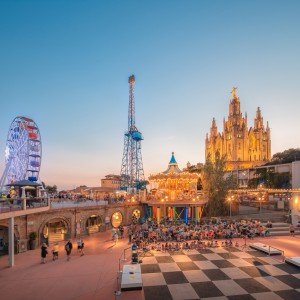
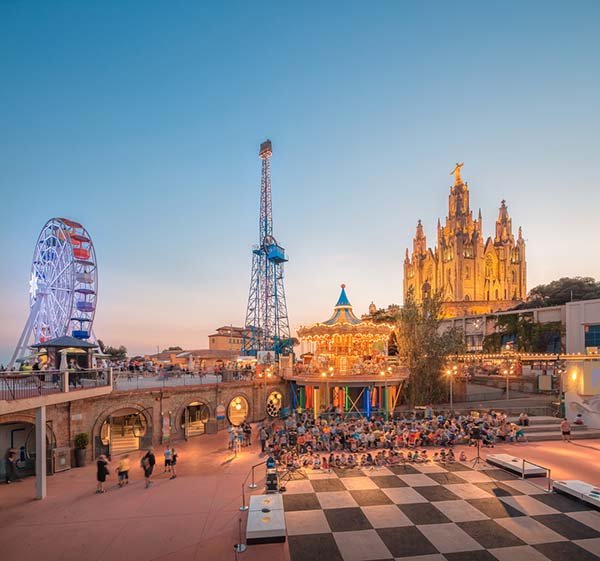
Sometimes you and your family need a break from sightseeing in Barcelona; something to help stagger the seemingly endless succession of cultural attractions and historical monuments. So, if you need an afternoon off from trying to persuade your kids to visit another of Gaudi’s architectural masterpieces, a trip up Tibidabo Mountain on the Tramvia Blau tram should do the trick. At the top you’ll find a Barcelona institution, the Tibidabo Amusement Park, which has been around for more than 100 years. Today, the park has been fitted out with a few stomach churning thrill rides for modern day adrenaline junkies and has everything from roller coasters and forest trails to a log flume and street theatre performances. If you’re simply after a great view, try the Tibidabo Sky Walk and drink in the views from Tibidabo Mountain over the city below.
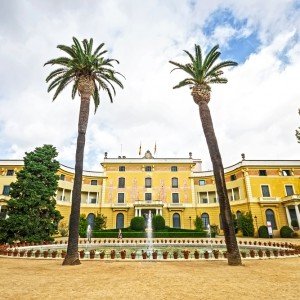
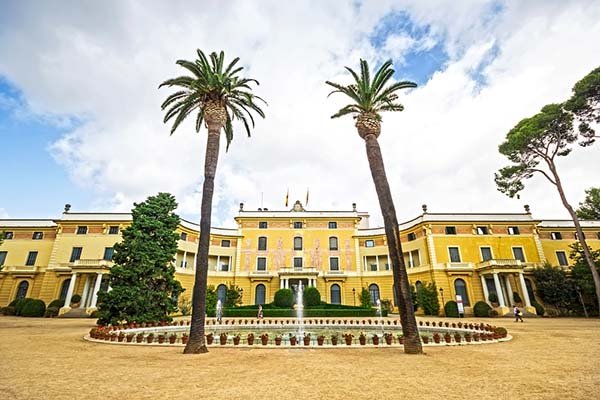
Located in one of the most modern and futuristic districts of Barcelona in Les Corts, the beautiful little neighbourhood of Pedralbes is a haven of peace and calm from Barcelona’s city crowds. Known as an upmarket residential district, the area takes its name from the old Catalan for ‘white stones’, and is where you’ll find a beautiful example of Gothic Catalan architecture in the serene surrounds of the Monestir de Pedralbes. This stunning, three-tiered, 14th century cloister complex is a historical treasure trove where you can discover the artifacts and personal possessions left behind over the centuries by the nuns of the Order of Saint Clare. Pedralbes is also home to the famous rose garden in the Parc de Cervantes, the former royal palace of Palau Reial de Pedralbes and one of Gaudi’s spectacular works of architectural art at the Finca Güell Pavilions with their dragon-shaped wrought-iron gates.
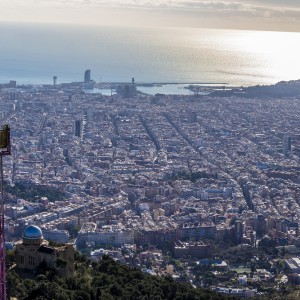
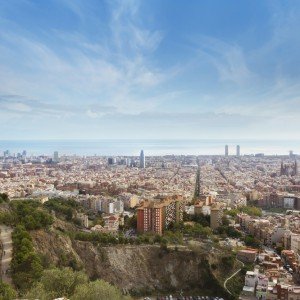
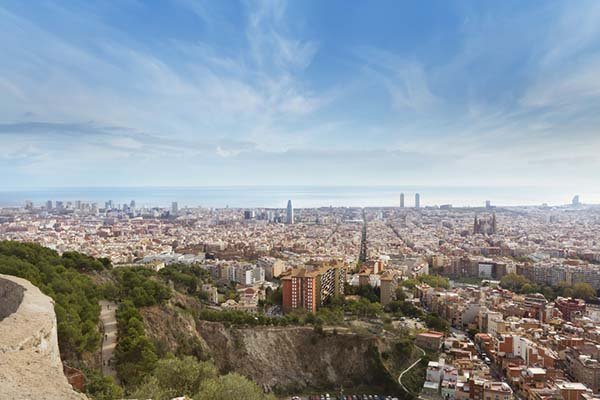
Spanish Civil War-era bunkers might be a strange thing to list as must-sees, but these bunkers come with the unusual addition panoramic city views over the plain of Barcelona. Perched high above the city on rocky outcrop of the Turó de la Rovira viewpoint, the bunkers and nearby barracks were built to protect Barcelona from air strikes during the 1930’s. Today they’re managed by the city’s heritage association and have become part of the wider urban regeneration project that is changing the face of modern Barcelona. Taking on the steep climb to the bunkers is completely free of charge and, on a clear day, rewards you with a 360° view over all of the city’s most beautiful neighbourhoods and monuments, which are stretched out below in an urban patchwork that leads all the way to the Mediterranean.
Framed by the undulating peak of Tibidabo and covering more than 8,000 hectares in lush, protected parkland, Collserola Park is Barcelona’s green lung. This sprawling woodland offers city residents the chance to get back to nature, and no where is more dedicated to preserving Barcelona’s natural culture more than Can Masdeu: a social centre, residence and garden community found right at the heart of the park. Housed in an abandoned former leper hospital, the squatter’s facility has three huge plots of cultivated land, one of which makes up a network of gardens that are shared with the residents of neighbouring Barris Nou. As well as educating local school children on the principles of environmentalism, the community gardens in this utterly unique Barcelona institution are open every sunday to anyone who wants to learn more about the principles and practice of ecology and self-sufficiency.