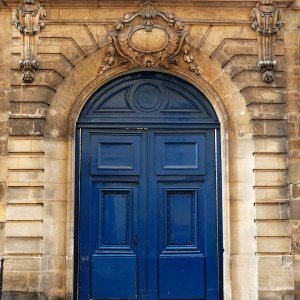

Who wouldn’t want to live like a Parisian and have a working knowledge of how to hunt out the city’s best restaurants and coolest bars? What you really need is a local who you tell you where to find the prettiest parks, how to visit the museums out-of-hours and where to pick up the freshest market produce. Fortunately for HouseTrip Francophiles, we’ve recruited a fleet of resident bloggers who have all lived in, worked in and loved Paris to write personalised guides to each of the city’s arrondissement. Forget generic city guides and top ten must-dos, our writers have shared their favourite haunts, unmissable sights and shops and hidden hideaways so that you and your family can live like locals in the City of Light. So, for a truly unique stay that’ll make you feel like a native and help you capture the city’s sense of je ne sais quoi, pick an arrondissement and open the door to Paris.

From the Tuileries Gardens to The Louvre, the Palais Royal and ethereally lovely Sainte Chapelle, the 1st arrondissement is magnificent on the grandest possible scale. But it’s also the centre of Paris so it’s not just flocks of tourists and tacky souvenirs, it’s a working part of the city too. Parisians take lunch ‘en plein air’ in the Tuileries here where the views are irresistible and, when it snows, they strap on skis and glide across the arrondissement’s immense squares and courtyards to work. The Palais Royal’s Galeries are a siren call to the city’s fashion cognoscenti and Le Carrousel du Louvre is one of the few places in Paris for Sunday shopping. The 1st isn’t petite boulangeries and local markets, but if you want Paris at its smart, cultured and elegant best it’s perfect.

Fashion and finance dominate the 2nd, so the city’s smallest arrondissement is big on style and influence. During Paris Fashion Week, the 2nd is an industry ‘darling’ for quirky venues, stunning apartments and relentless shopping. The beautifully restored early 19th century arcades, Galerie Vivienne and Galerie Colbert, are favourites – they taught Le Bon Marché everything. But it’s not all frocks and frivolity; La Bourse (French Stock Exchange) is in the 2nd and to glimpse one of the world’s great libraries, visit the Reading Room at Le Bibliotheque Nationale – it’s breath taking. Walking is the best way to get about as it’s so small that you can explore in-depth in a few hours. And if you still crave glamour, the neighbouring 9th is home to Le Palais Garnier and Galerie de Montpensier is next door in the 1st .

Known as ‘Le Temple’ or Le Marais’ quieter side, the 3rd’s loved for its authentic ‘village’ feel. It’s just as ancient, historic and charming as its busier neighbour, but less ‘prettified’ so not such a crowd magnet. Morning markets, local bakeries and leafy parks give a sense of community and you’ll find world-class museums like Musée National des Arts et Métiers and the Musée Picasso, which are quirkier and more personal than their big-name rivals. Europe’s oldest covered market, Les Enfants Rouges draws cooks, chefs and foodies from all over the city to the 3rd. Little shops with crowded windows and cavernous interiors are a good source of less expensive finds and you can safely do as the locals do and cycle everywhere in the area. For more authenticity, wander round Pletzel, Le Marais’ ancient Jewish Quarter.


The city’s Hôtel de Ville is the 4th’s most imposing landmark but Le Marais is where you’ll lose your heart to the arrondissement. The most ancient part of Paris is instantly recognisable: tall, skinny buildings and tiny narrow alleyways, gorgeously painted little shops, street stalls, serried ranks of retro bikes, pretty people and diminutive cafés that are so typically Parisian they’re almost caricatures. Le Marais is also the hub of Paris’s Gay community; the place for indie bars, clubs and rising-star restaurants and the iconic Place des Vosges. A mix of cultures, lifestyles and communities will draw you in effortlessly in the 4th, whether you like the industrial modernity of the Pompidou Centre or can’t resist carousels, vintage clothes and romantic atelier apartments. For a wonderful view of Notre Dame, cross Pont de Sully.

For intellectual Parisian glamour, the 5th is a perfect introduction to the city’s Left Bank and the ideal arrondissement for people watching. The historic Sorbonne University dominates, so the atmosphere is young and lively. And in true Left Bank tradition, all that’s individual and eccentric thrives here. Take to the riverside and browse the legendary Bouquinistes – second-hand book and gift stalls. The cobbled streets of Saint-Michel are where you’ll find little bars, art-house cinemas, odd restaurants and some of the city’s sweetest homes. For exclusive art galleries and antique dealers, there’s St. Germain-des-Prés. If you can’t visit Paris without seeing flamingos, Le Jardin des Plantes is in the 5th, just a short walk from the Institut du Monde Arabe with its stunning roof terrace views. Boulevard Saint-Michel borders the 5th and brings you to the Jardin du Luxembourg, one of the best family-friendly parks in Paris.

The 6th is an arrondissement where local life works wonderfully well alongside Paris at its grand and historic best. The city’s marvellous organic market, the Marché Raspail, is balanced by the extravagance of Boulevard Saint-Germain or Saint-Michel. Children love to ride the ancient carousel and play around the boating pond in the Jardin du Luxembourg, but you’ll also find the Palais du Luxembourg - seat of the French Senate - in this lovely, family park. Chic restaurants and cheerful cafés live happily together in the 6th. Gorgeous churches overlook neighbourhood playgrounds; art students queue with grandes dames for CityPharma bargains on Rue du Four and there isn’t anyone who lives here that doesn’t have a preferred bar on the Rue des Canettes. Cross the Pont Neuf from 6th to 1st and pick your favourite garden - Luxembourg or Tuileries?


The Eiffel Tower is magnificent but it shouldn’t distract from the surrounding 7th. This arrondissement is wonderfully well connected to everywhere in the city and is also home to the Musée D’Orsay, the Musée Rodin and Hôtel des Invalides with its unmistakable golden dome. The area has some of Paris’s grandest apartments (most with stunning views) and the 7th is where you can shop in the city’s oldest and most glamorous department store, Le Bon Marché. You’ll also find the charming Rue Cler street market here for fresh fruit, flowers and classically Parisian treats while the Saturday morning Saxe-Breteuil market lures Parisian foodies from all over. If you want to soak up some sun, head for Les Berges - the 7th’s green space on the Seine has everything from chic loungers to floating greenhouses.


The 8th arrondissement is the completely seductive heart of quintessential Parisian glamour and, whether it’s the Élysée Palace or the Place de la Concorde, the mighty Arc de Triomphe, the delightful Petit Palais or even the vast Gare de Saint-Lazare, everything here comes second to shopping. For sheer size and excess, you’ll want to wander down the Avenue des Champs Élysées. Haute Couture and the wealth it attracts can be found on Faubourg Saint-Honoré and Avenue Montaigne – one of the world’s most expensive streets – and the tree-lined Boulevard Haussmann leads into the 9th and the grande dame of department stores, Galeries Lafayette. The 8th can be crowded and it’s seldom quiet, but if you thrive on relentless activity, are fuelled by chic restaurants and smart bars and shopping is your favourite pastime then it’s the perfect Paris base.


With its Belle Époque department stores, grand boulevards, risqué districts and exquisite Palais Garnier Opera House, the 9th is an eclectic arrondissement neatly divided into north and south. The south is respectability personified. Galeries Lafayette and Printemps preside on Boulevard Haussmann; elegant 19th century apartments overlook broad, tree lined avenues and the Palais Garnier, with its stunning Chagall ceiling and underground lake, is simply one of the most amazing buildings in Paris. Climb upwards to the north and it’s a very different arrondissement. This is where you’ll find Pigalle and although its infamous reputation is more a draw for tourists than the likes of Toulouse Lautrec these days, it’s still good for gritty attitude, bright lights and bargain shopping. The 9th is part of the city’s ‘Grand Boulevards’ so its connections are excellent.


The charming 10th is often overlooked. It doesn’t exude glamour or scream museums and monuments, it’s just one of the most delightful and easy going parts of the city and that’s a secret the locals are happy to keep. The early 19th century Canal Saint-Martin with its seven iron footbridges, slow boats and picnic spots is the heart of the 10th. Walk its length and you’ll come across colourful little waterfront houses, restaurants and bars, cool and quirky shops and Parisians playing music, sunbathing and generally enjoying life. The magnificent Gare du Nord and Gare de l’Est are in the 10th and you’ll find the historic and famously busy Place de la République here too. The perfect way to enjoy this district is to take the family on a canal cruise along the Saint-Martin and explore some of Paris’s underground waterways.

The 11th, also known as La Bastille, is location of choice for Parisian media types. This isn’t an arrondissement for world famous landmarks so expect serious style, originality and lots of great ideas instead. Stroll the grand Boulevard Richard Lenoir for fountains and wonderfully dramatic views of the Place de la Bastille. At weekends, Marché d’Aligre – one of Paris’s finest markets – brings chefs and connoisseurs from all over to pick up produce and have lunch – sampling Le Baron Rouge’s oysters is a local tradition. MERCI’s marvellous take on Charity Shops, which are witty and filled with things to want, is just one of the 11th’s many shopping delights. Glacially cool it might be, but Bastille is also one of the more reasonably priced arrondissement so it’s a great choice for bars, cafés and restaurants too.

The 12th is Paris’s cool, contemporary arrondissement and is filled with all those wide, open spaces that the city does so well, only here they’re even bigger and better. The sprawling parkland of Bois des Vincennes is great for picnics, cycling and walking while Parc de Bercy is right on the Seine and has the added attraction of fantastic shopping in Bercy Village. If you’ve got time to squeeze in even more green spaces, the leafy Parisian skywalk of Promenade Plantée meets Jardin de Reuilly – a favourite playground for local families in the 12th too. L’Opéra Bastille – a glossy, industrial alternative to the glorious Palais Garnier opera house – stages classical and contemporary opera and has an excellent children’s programme while the Bercy Arena is the city’s major venue for big-ticket events and international music and performance. Romantics should head to the 12th‘s Gare de Lyon, which is internationally known as one of Europe’s loveliest railway stations.

There isn’t another arrondissement in Paris quite like the 13th , it’s so different from the rest of the city in style, atmosphere and identity it’s sometimes simply known as ‘insolite’ (odd). One of the first things that sets the 13th apart so spectacularly is the predominance of glass, steel and contemporary design – this is definitely not the arrondissement for quaint and quirky buildings. Then there’s its shape: like a giant wheel with Place d’Italie as the hub radiating avenues and boulevards in all directions. But, what really makes the 13th so fascinating and an ideal base is China Town. It’s the largest in Europe and comes with all the attendant colour, ritual, exoticism and wonderful tastes, smells and sounds. So the 13th might not be the most historic or accessible arrondissement but it’s never, ever dull.

The 14th is the entrance to the strange and spine-chilling Catacombs de Paris and home to the shaded loveliness of Montparnasse Cemetery, so you’d be forgiven for assuming the arrondissement itself might be a little gloomy. Nothing could be further from the truth. This is one of the city’s busiest, liveliest and most multi-cultural arrondissement. There’s a very down-to-earth atmosphere here and the family restaurants, vintage bars and brasseries with typically Parisian waiters in waistcoats and aprons are amongst Paris’s most relaxed and friendly. While the 14th doesn’t match the chic boutiques and arcades of some other arrondissement, it really comes into its own for the sheer variety of French high-street names and excellent value on offer for frugal fashion hunters. The little grocer shops round Gare Montparnasse are open Sundays and their displays of fruit and veg spill out onto the pavement.

Tour Montparnasse is as dominant in the Paris skyline as the Tour Eiffel (just not as pretty) and the 15th arrondissement is where you can enjoy its best asset – the view from the top. Confusingly, Gare Montparnasse is also in the 15th, although Montparnasse itself isn’t. Mainly a business district - several major French companies have headquarters here - the 15th is also where you’ll find the Parc des Expositions de la porte de Versailles, the country’s largest exhibition venue, and the Louis Pasteur Museum, which is a glimpse into the life of France’s greatest scientist. But Parc André Citroen, Paris’s most exceptional contemporary park, is the best reason to visit the 15th. With child-centred water features, innovative planting and amazing art, it’s a complete contrast to the city’s more formal parks and keen runners will definitely meet their Parisian counterparts here.

The 16th doesn’t have the quaint charm of some other historic arrondissements, but it does have the city’s most expensive homes and exclusive addresses and, encompassing the Trocadéro and overlooking the Seine to the Eiffel Tower, it also shares its finest views. The delightful Musée en Herbe Jardin d’Acclimitation is sensationally good outdoor fun for children and at Musée Marmottan, in the exquisite Jardins du Ranelagh, you can admire the world’s largest collection of Monet paintings – many from Giverny. Unsurprisingly there are several superb restaurants in the 16th and, if you aren’t watching the euros, definitely do lunch. Alternatively, if it’s a sunny day, you could take the family on a stroll along the delightful forest glades and walks in the enormous Bois de Boulogne, which borders the arrondissement to the north.


Bourgeois Paris with a bohemian edge best describes the 17th. It’s right next to the relentless gloss and glamour of the Champs-Élysées but it couldn’t be more different. Beautiful Haussmann apartment buildings, broad tree-lined boulevards, elegant squares and gardens, off-beat restaurants, authentic French atmosphere and quietly famous residents are characteristically 17th. Successful writers, artists and creative types live here with their families, so there are always plenty of children’s activities going on locally. The area’s food markets, like the Saturday morning Marché des Batignolles, are excellent and stock and abundance of organic produce and the local shops tend to the specialist and select with flower sellers and artisan bakers ruling the streets. Cafés and restaurants are mostly small, intimate and surprisingly well-priced with an emphasis on great ingredients, traditional cooking and superb wine. In fact, of all the city’s arrondissement, few feel quite as self-assured and utterly French as the 17th.

Nowadays, the area’s resident artists might be more prosperous than their famous predecessors, but Montmartre is still as inspirational as ever. The most famous quarter of the 18th is a network of mesmerising alleys, steep staircases, cobbled squares and tiny streets, all revolving around the monumental Basilique du Sacré Cœur. But this fascinating arrondissement is far more than its most famous landmark. Creative, smart and full of attitude, the 18th is as much clubs and cabaret on Boulevard de Clichy as it is sacred music on a Sunday morning. Clignancourt to the north has the city’s biggest flea market, Marché aux Puces. The arrondissement’s chic art galleries happily cohabit with local grocers, flower sellers, street stalls and morning produce markets and, if you can’t resist being immortalised on canvas, the painters on Place du Tertre (Artist’s Square) will traditionally oblige – albeit for more than the price of a decent dinner these days.
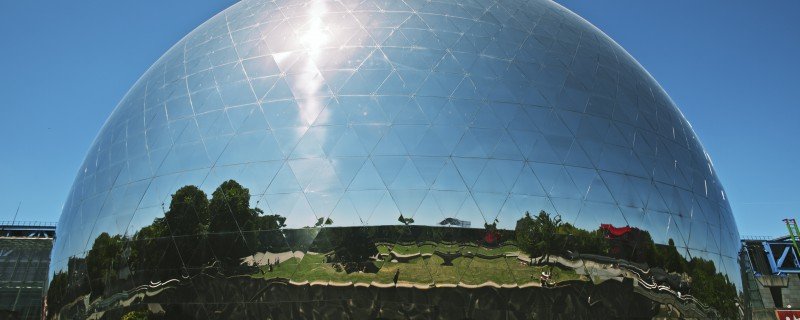

The 19th’s biggest draw card is without a doubt the Parc des Buttes Chaumont – a wonderful, romantic park that draws Parisians and visitors alike from all over the city to the district. Designed originally for people to stroll for a few hours unaware of Paris around them, it feels a million miles from the city centre and is just one of the many intriguing reasons that this particular arrondissement is so well loved. Canal de l’Ourcq and Saint-Martin flow through the 19th and Jourdain, with its vintage style, well-priced restaurants and live music, is young and friendly. La Mouzaïa is delightfully old fashioned, a little exotic and home to the 19th’s prettiest houses. The magnificent Parc de la Villette – where the canals intersect - lets you sail, promenade and play in the lovely contemporary gardens near the Science Museum. The 19th is also home to the Conservatoire de Paris and the famous Rosa Bonheur café, where even Parisians are prepared to queue.

The irony of being known for a cemetery isn’t lost on the residents of the 20th, since few arrondissement feel more alive. Colonised by artists, musicians, designers and film-makers over the past few decades, the 20th is now a thriving creative community. Quirky little alleys with cute, colourful houses and artfully wild gardens give plenty of character. But the mix of cultures, lifestyles and even languages here means it’s not prettified and touristy in any way. The city’s 2nd China Town is in the 20th, so it has great restaurants and there are dozens of ateliers, live music venues, indie cafés, bars, brilliant shops and markets, meaning that something is always happening or about to happen in this part of Paris. Its lofty location means it offers some pretty superb Paris panoramas that don’t ever let you forget how close the 20th really is to the rest of the city.
Open the door to Paris… and reveal its most iconic attractions
From the graceful curve of L’Arc de Triomphe to The Eiffel Tower – the Paris skyline’s most memorable sight – there’s no denying that this sumptuous city has famous monuments covered. Staying in Paris without joining the audience at the Moulin Rouge in Montmartre or adding your own lipsticked kiss to Oscar Wilde’s tomb at Père Lachaise Cemetery would be sacrilegious in a city that takes so much pride in its history and culture. And you wouldn’t be alone in your quest to see some of Paris’s most treasured attractions; even proper Parisians still come to marvel at the stone gargoyles on Notre Dame or eat lunch at the Belle Époque brasseries of Montparnasse. If you’ve got a week to wander the city, or even if you’ve only got a day to fit in some sightseeing, heading to a few of these iconic sights will show off Paris’s best side.
The Louvre
The Louvre is astonishing. Home to the legendary Mona Lisa – she’s a big crowd pleaser, although getting to the front to catch a glimpse of her enigmatic smile takes patience. It’s also where you’ll find the famous Venus de Milo, the Winged Victory of Samothrace, Michelangelo’s Rebellious Slave, Delacroix’s vast allegorical paintings and Vermeer’s The Lacemaker. So despite the grandeur and scale of the museum, don’t be surprised if The Louvre seems quite familiar. With a week to spare you could see just about everything, but if you only have a day, a guided Introductory Tour is a great way to get your bearings before going it alone. The Louvre is open daily except Tuesdays and until 9.45pm on Wednesday and Friday evenings and a Louvre day ticket also includes entry to the enchanting Musée Eugène Delacroix on the Left Bank, which is just 15 minutes’ walk away.
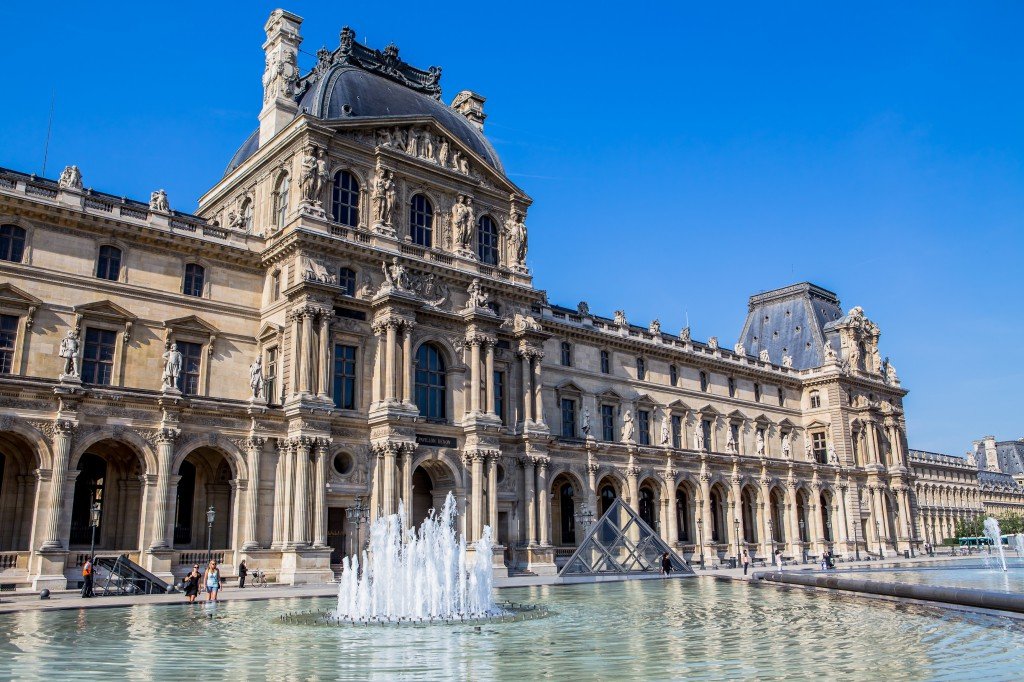
Metro Station: Palais Royal-Musée du Louvre
Cathédrale Notre Dame de Paris
Notre Dame, the world’s most celebrated cathedral, has stood on the Île de Cité overlooking the Seine since the 12th century and nothing will prepare you for its beauty. The graceful Gothic architecture is filled with light filtered through magnificent stained glass. Gloriously detailed carvings sit peacefully with sculptures so perfectly simple that they’re almost heart breaking. There are the infamous gargoyles and, along with the sweeping view, they’re worth climbing every one of the immense tower’s 387 steps. If you’re lucky enough to visit while the Cathedral Choir is rehearsing, hearing la musique sacrée in this inspirational setting is an unforgettable experience. Notre Dame at night, floodlit and reflected in the Seine, is magical. If you’re in the mood for more enchantment, take the short walk from the Cathedral to Hotel de Ville and see the city’s most ridiculously glamorous double-decker carousel.
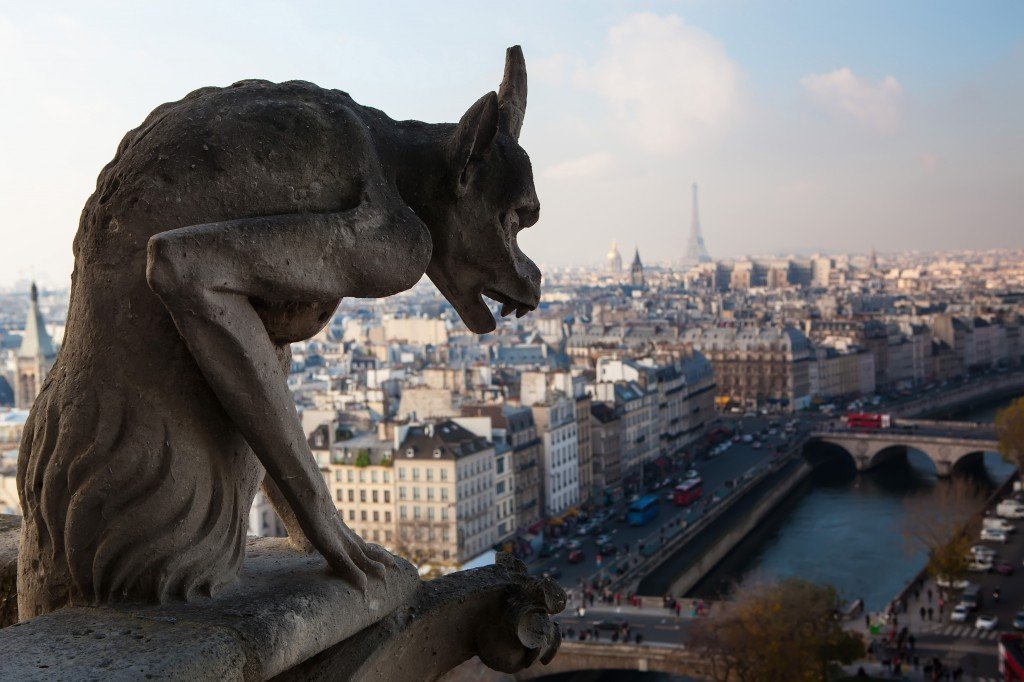
Metro Stations: Saint Michel, Cité, Saint Michel Notre-Dame
Le Marais
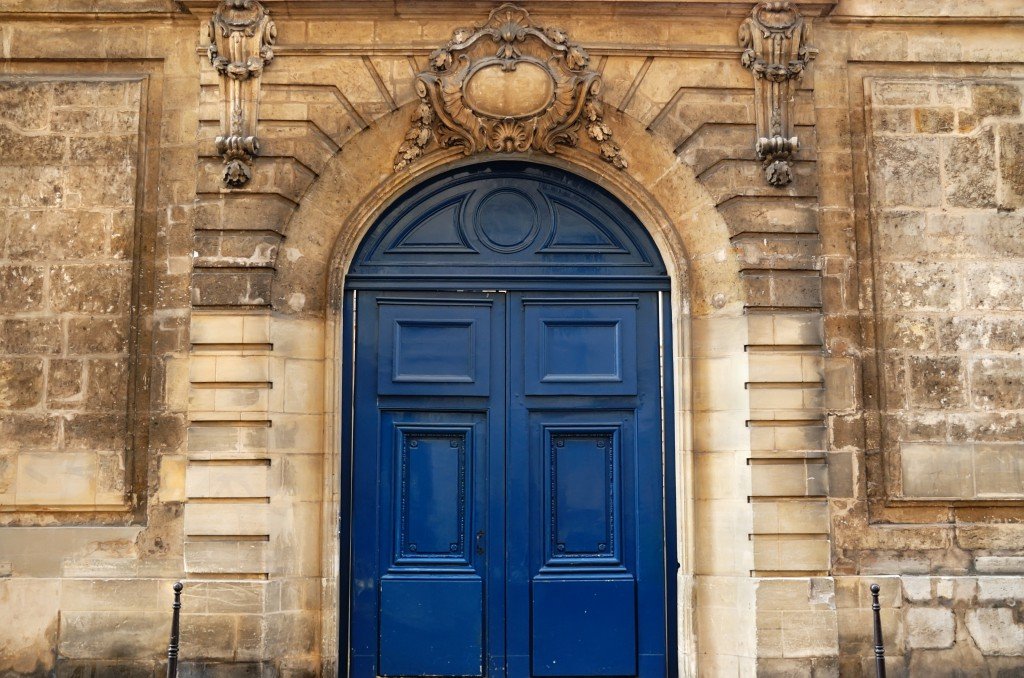
If Paris had stopped in the 17th century because it simply couldn’t get any more charming then the entire city would probably look like Le Marais. Ancient, quaint and completely delightful, Le Marais is the place to go for curious little shops that sell everything from antique sealing wax to the best brioche in the city. It’s also ideal for admiring the elegance of the Place des Vosges and taking an aperitif under the colonnades in one of the tiny, retro cafés with aproned waiters and pavement tables. Writers and creatives love Le Marais because it’s so photogenic; Parisians who can afford to be expensively bohemian live here and romantics are quietly convinced that it’s the ‘true Paris’. The Hôtel Salé, one of the grandest houses in Le Marais, is now the Musée Picasso, the world’s most cohesive and personal collection of the artist’s work.
Metro Stations: Hotel de Ville, Rambuteau Arts et Metiers or St Paul
Eiffel Tower
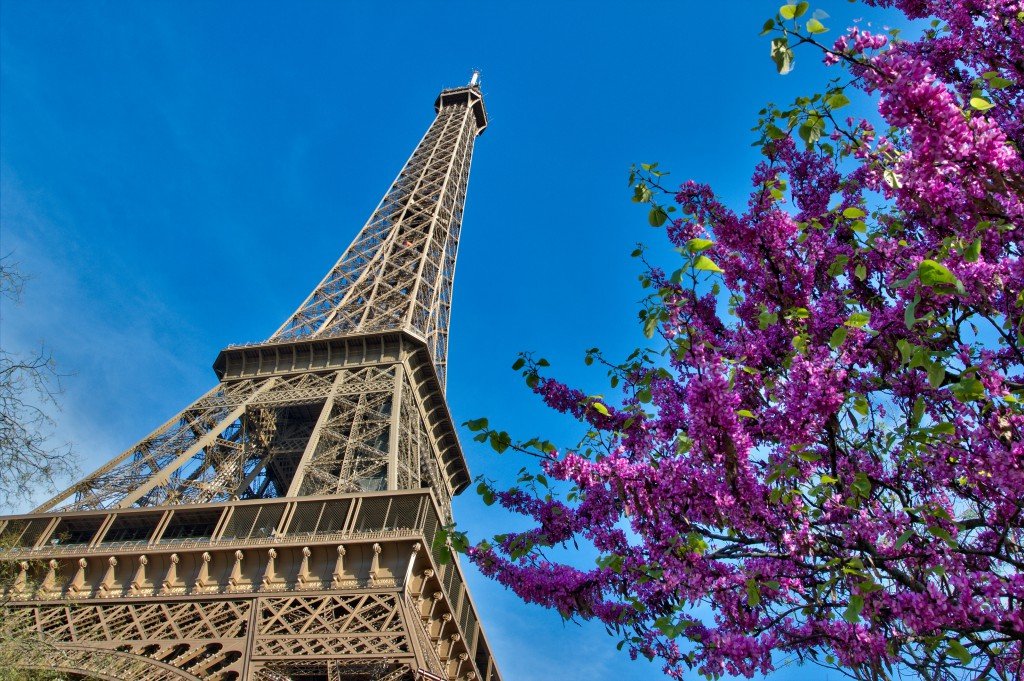
Nothing in Paris has the same iconic status as the Eiffel Tower. Even today, 125 years after its opening, when its size is nothing remarkable, the first sight of the Eiffel Tower is still the city’s most heart-stopping moment. The view from the top is incredible, with 360 degrees of views explaining why Paris is the world’s most visited city laid out before you. From above, La Défense looks less Business District and more mighty, futuristic barricade. You can get a bird’s eye view of the city’s parks and gardens and forests, which are punctuated by famous and historic towers and spires and domes and the immense River Seine winds in and out of sight through everything. Visit the Eiffel Tower before you do anything else in Paris and you can plot your ground level exploration of the city using the amazing reference maps and guides on the upper levels
Metro Stations: Champ de Mars
Avenue des Champs-Élysées
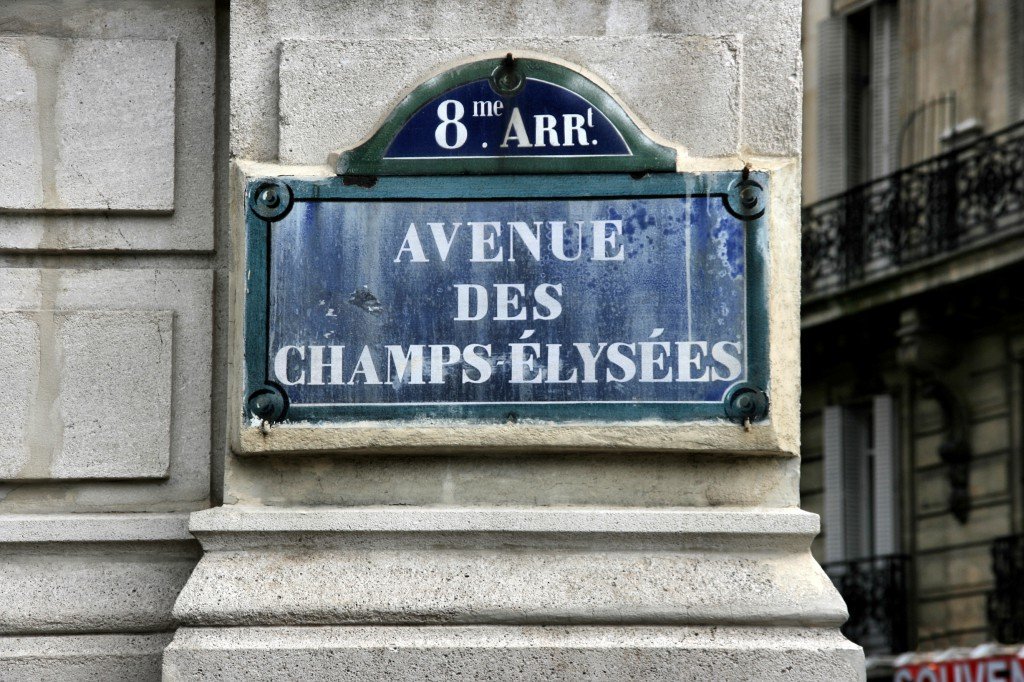
Stretching from the Arc de Triomphe to the Place de la Concorde, the Avenue des Champs-Élysées is one of the world’s most famous and glamorous streets. There isn’t a designer name that doesn’t have a presence here and the ‘draped with carrier bags’ is always the preferred look of the area’s shoppers. The shop interiors are design masterpieces and window dressing has been elevated here to an artform in the battle to part you from your Euros. Sensible visitors take it all in their stride and walk the Avenue’s length with a closed wallet and just enjoy the sight of other people spending. The Arc de Triomphe, with its solemn and lovely carvings commemorating the city’s fallen soldiers, is a perfect punctuation point. Climb out on to the magnificent terrace, look down the length of the Avenue des Champs-Élysées and then across Paris as it puts everything in perspective.
Metro Stations: Champs-Elysées Clemenceau
Montmartre & La Basilique du Sacré Cœur
Beautiful, bohemian, boisterous, sacred, romantic, elegant and avant-garde, Montmartre is so diverse and fascinating it could effortlessly fill several Parisian breaks all by itself. For your soul, senses and the city’s most romantic views, visit La Basilique du Sacré Cœur – the decorated dome is spectacular and if you go early on a Sunday you can listen to the choir rehearsing. Climb scores of steep steps between tall, narrow buildings or catch the funicular and see the city drop away while you rise up to La Butte de Montmartre. Discover ateliers and galleries and enchanting streets and squares filled with painters and designers keeping the quarter’s long standing artistic traditions alive. Explore the eerily dramatic and lovely Cimitière de Montmartre and, for livelier pursuits, walk to Boulevard de Clichy and Pigalle - home to cabaret, comedy, theatre and, of course, the Moulin Rouge

Metro stations: Abbesses Anvers ou Blanche
Père Lachaise Cemetery
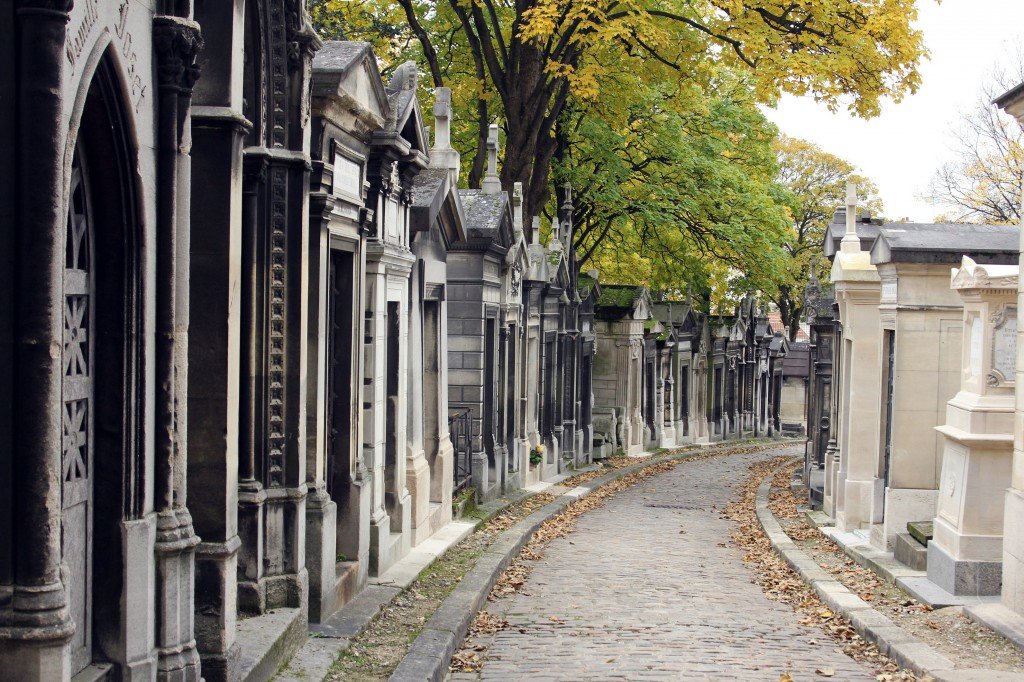
For an afternoon of macabre indulgence, visit Père Lachaise Cemetery. This is a true Necropolis with avenues of tombs and glades of graves. Family vaults are more status symbol than final resting places while the monuments of the famous and infamous are far from the most exotic and dramatic you’ll find in this sprawling City of the Dead. The most visited tomb is Abelard and Heloise’s romantic Gothic temple and visitors traditionally tuck romantic notes on the lovers’ stone effigies. Lipstick kisses cover the stunning Epstein Angel on Oscar Wilde’s grave. A life-size sculpture of Victor Noire’s murdered corpse makes his tomb the cemetery’s most photographed and the award for most disappointing grave goes to the uninspired granite slab that covers Jim Morrison. Getting pleasantly lost in Père Lachaise is easy, but if you prefer a more organised visit, maps are available at the entrance.
Metro station: Père Lachaise
La Sorbonne
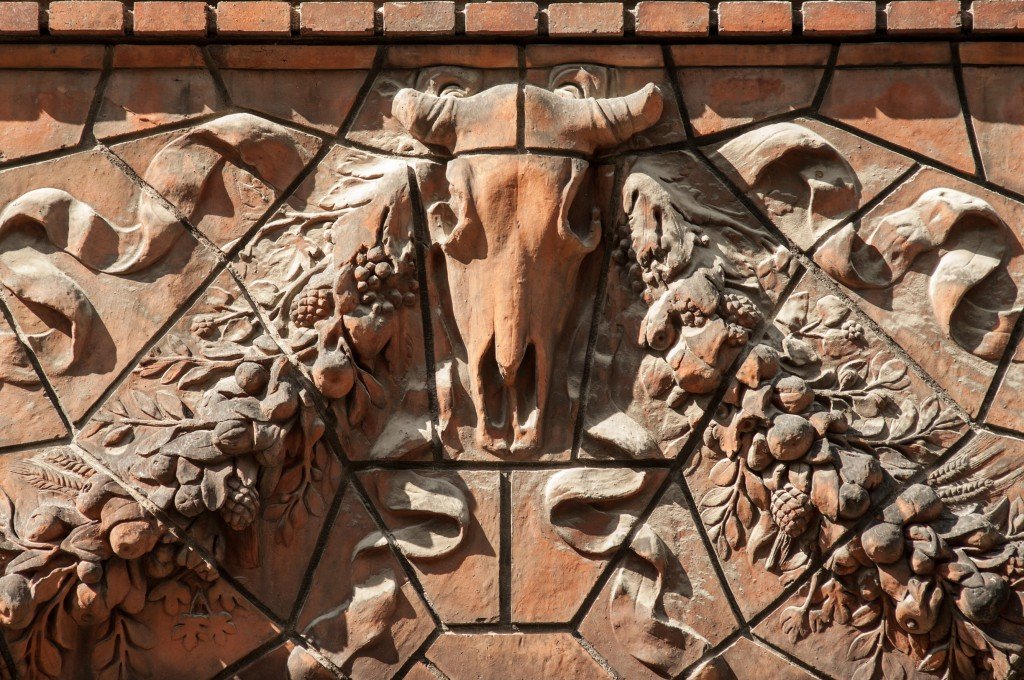
When movies want to depict a Paris full of writers and intellectuals, La Sorbonne checks all the boxes, as well as offering the addition of some picturesque bars, cafés and beautiful architecture for flawless cinematic glamour. It’s home to L’Université Paris-Sorbonne, L’École des Beaux Arts and the Abbey of Saint-Germain-des-Prés – the oldest church in Paris. La Sorbonne is also where you’ll find the beautiful Jardin de Luxembourg, excellent and affordable vintage shopping and Paris’s best known English language bookshop Shakespeare & Company. But for all its literary and academic associations, La Sorbonne remains delightfully unpretentious. The organic food market, Le Marché Raspail, is one of the best in Paris, bars and cafés stay open late and get lively and locals really do queue here on a Sunday morning for freshly baked bread. For a true Parisian moment, have coffee and contemplate life at Les Deux Magots, haunt of Sartre, De Beauvoir et al.
Metro station: Cluny - La Sorbonne
Montparnasse
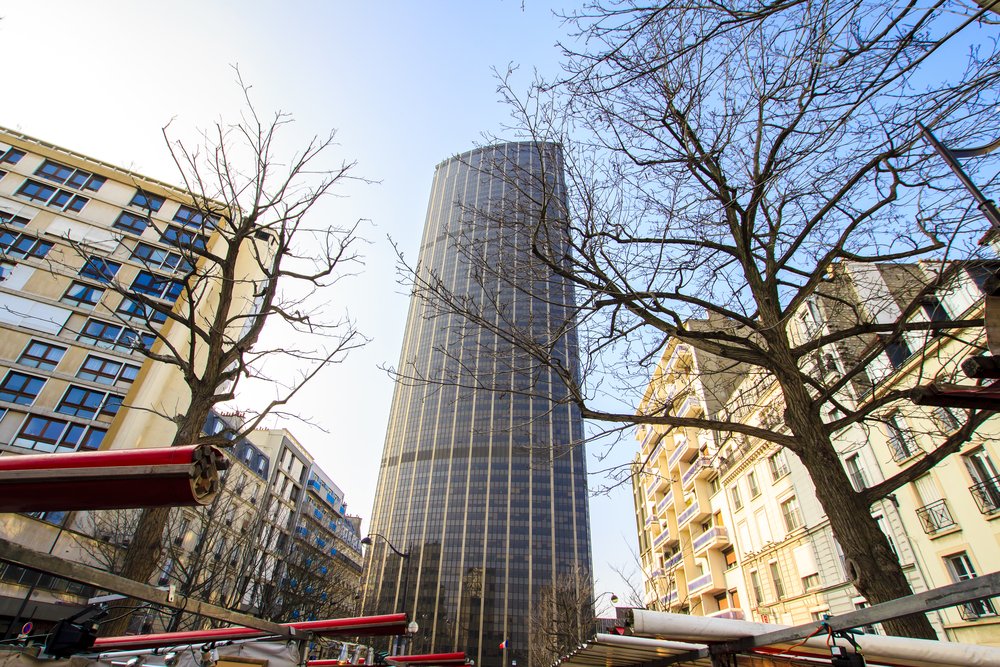
Once considered the grittier alternative to Montmartre, Montparnasse’s past reads like a Who’s Who of early 20th century art and literature. Hemingway stayed here and Peggy Guggenheim picked up paintings for what would eventually become The Guggenheim. Now famous artists once paid for dinner with drawings in places like Le Dôme and La Coupole (still open for retro dining today) and Man-Ray had his first studio here. Today’s Montparnasse is best known to visitors for its enormous station and the Tour Montparnasse (an ugly building with superb views). But locals love it for Sunday lunch in beautifully tiled Belle Époque brasseries, its tiny cafés with very chatty waiters and Montparnasse Cemetery. Shadowed by huge trees and hauntingly poignant, this is the cemetery where Simone de Beauvoir, Sartre and Baudelaire are buried. Montparnasse is also the place to start if you’re tempted to explore Paris’s famous Catacombs.
Metro station: Montparnasse - Bienvenue
Open the door to Paris… and see a different side to the city
Paris has been the setting for so many films, books and songs that it’s easy to assume you already know it inside out. It’s often hard to unearth hidden gems in one of the world’s most photographed cities, but luckily for HouseTrip visitors, Paris still has an abundance of peaceful residential pockets, undiscovered alleyways and busy local markets where tourists can live la vie en rose alongside the city’s Parisians. No matter how much of the city you think you know from Hollywood movies or childhood holidays, for every tourist thoroughfare or been there, seen that attraction, there’s always an alternative waiting to be explored. Forget queuing to catch a glimpse of the Mona Lisa in the Louvre and promenade along the elevated gardens of La Coulée Verte instead. If you’re sick of the slick shoppers on the Champs-Élysées, try haggling for spices in Little Sri Lanka at La Chapelle. Paris is a city that can still amaze and delight, if you know where to find its secrets, so pick one of our inspiring alternatives and seek out the unknown in this well-known city.
Mouzaïa
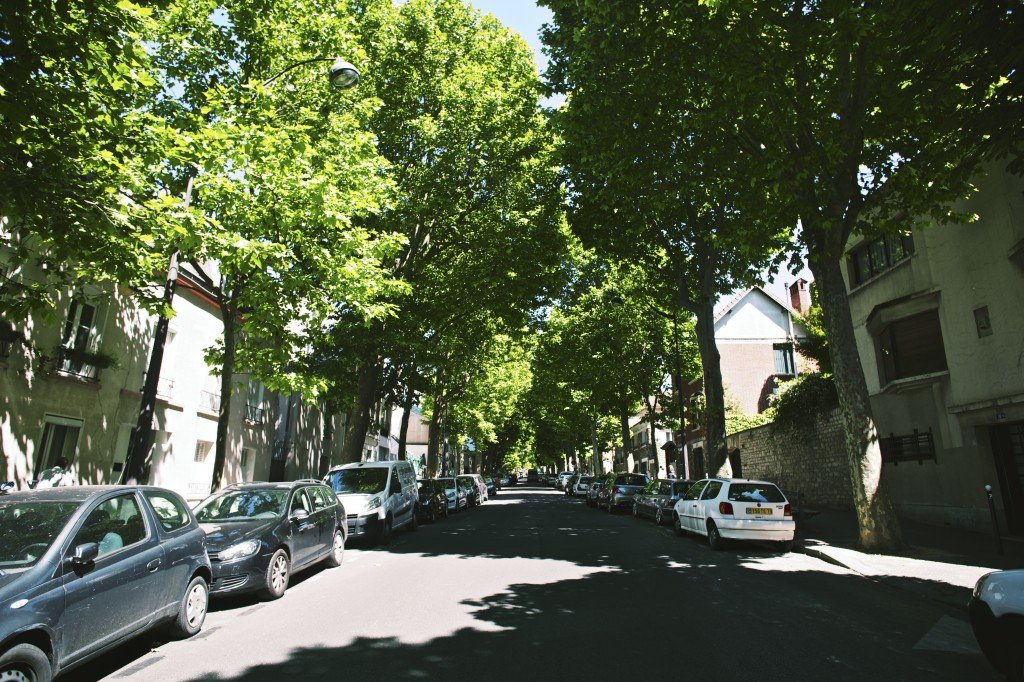
Sometimes even the most passionate lover of Parisian grandeur craves a moment of sweet, simple prettiness and nowhere in the city does that better than Mouzaïa in the 19th arrondissement. This little triangle of loveliness is famous for delightful dolls house homes, flower-filled gardens, trailing window boxes, bright colours and breath-taking tranquillity. Everything is on a smaller scale here. Few of the houses are taller than one storey as Mouzaïa was built on one of the city’s largest gypsum quarries. The streets and alleys are narrow and shaded by gorgeous overhanging wisteria and vines and even Hameau du Danube’s celebrated villas are more strikingly quaint than grandiose. Mouzaïa is a riot of colour and scents in high summer but no less lovely and evocative on a misty autumn afternoon or winter morning. The spectacular Parc des Buttes-Chaumont is just a short walk from Mouzaïa.
Metro station: Botsaris
The Canal de l’Ourcq is over 100km long and very lovely. But if time is limited, the stretch between Place de la Bataille-de-Stalingrad and Parc de la Villette in the 19th arrondissement is a good highlight. The canal embankment is paved, so is smooth and very safe for canal-side cycling and children love it because you can watch boats negotiating the canal’s locks. If you want to take to the water yourself, catch a long cruise with Canauxrama or even on the MK2 Cinema ferry, which crosses the canal from one branch of the cinema chain to another in minutes. Having a drink and watching the locals play Pétanque is always a favourite Canal de l’Ourcq pastime and a great excuse to visit one of the cool canal-side bars. Remember that at the end of your walk or cycle or stroll you have the pretty Parc de la Villette to on your doorstep to explore too.
Metro Station: Stalingrad
Goutte d’Or
In stark contrast to the icy Sacré-Coeur towering above it, Goutte d’Or is a frenzy of eye-searing colour, exotic smells and buzzing activity. Simply known as ‘little Africa’, this Paris isn’t old charm and elegance - if you see designer labels for sale, check the spelling - but for sheer, relentless energy there’s nowhere in the city quite like it. Visit on a Saturday morning and step out of Metro Barbés-Rochechouart into a throng of shoppers bent on finding vintage clothing bargains in Tati or sampling African ingredients like manioc from Marché Dejean. Stop for lunch in one of the tiny Senegalese restaurants that spill onto the pavement where you can get fantastic food for a few Euros or, for a taste of the truly incongruous, visit Villa Poissonnière at 42 Rue Goutte d’Or - it’s like a splash of grace in the middle of the city hubbub. Emile Zola’s novel, L’Assommoir, was based in 19th century Goutte d’Or.
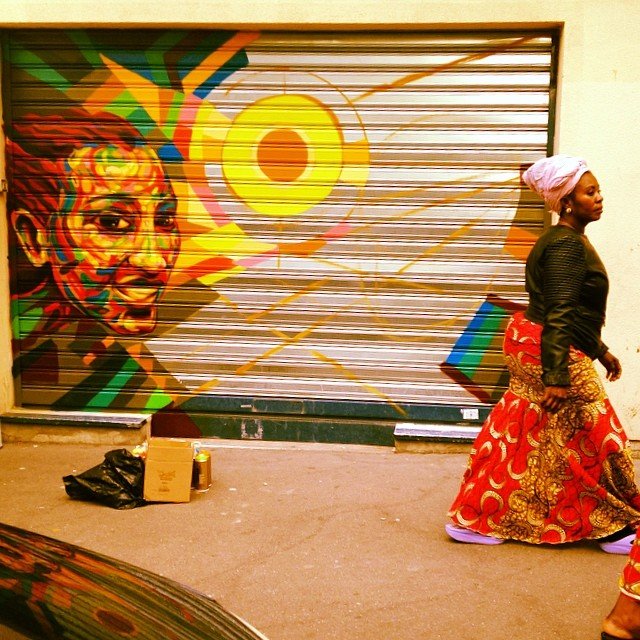
© Guache
Metro Station: La Chapelle, or Chateau Rouge
La Butte aux Cailles
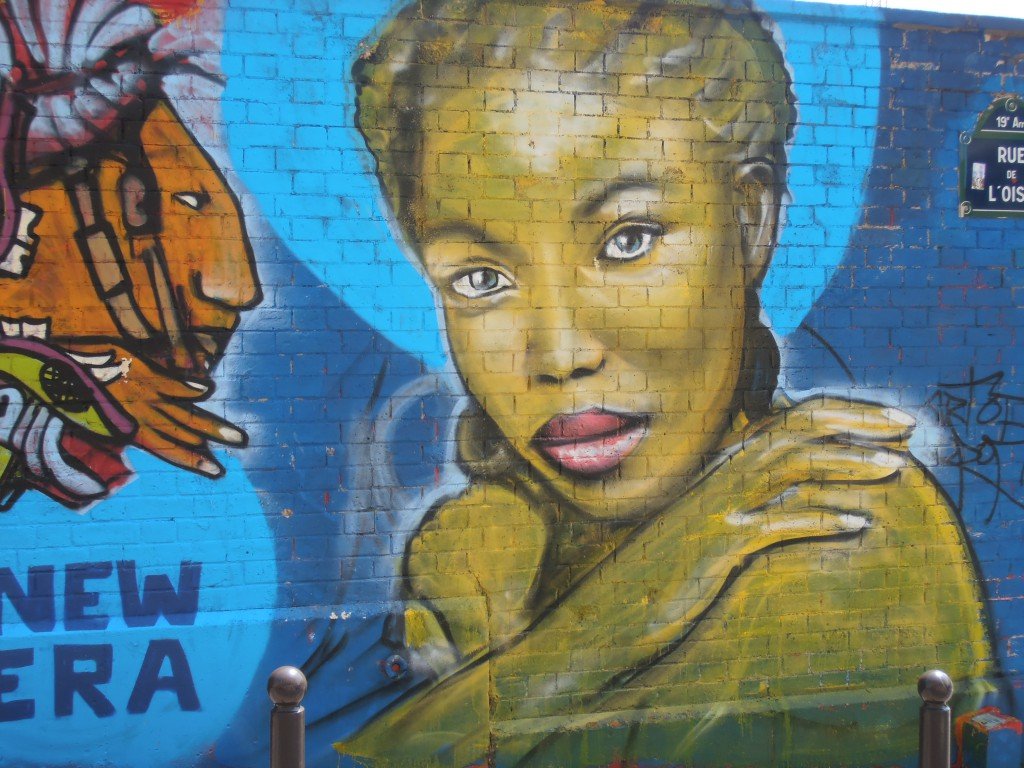
The 13th arrondissement is best known for contemporary architecture and being home to the city’s largest China Town, so it’s all the more delightful to discover La Butte aux Cailles hidden away here like a little secret village. And that’s exactly what it is, complete with sweet, brightly-painted houses, neat streets, leafy squares, local restaurants and its very own natural spring water well. But, thanks to its cool, affluent and artistic residents, La Butte aux Cailles is far from sleepy. Quirky, individual and lively (especially at night) best describes the restaurants, cafés and bars here and the Art Nouveau Piscine de la Butte aux Cailles is one of the most spectacular in the city. You’ll discover that the shops and galleries are definitely more specialist than high street in this area with one shop simply selling honey and, if you’re a Parisian street artist, La Butte aux Cailles will definitely be your favourite city canvas.

Metro station : Corvisart
La Campagne à Paris
La Campagne à Paris is one of the city’s most intriguing and charming Quarters. Tucked away in the 20th arrondissement, it was originally designed and built in 1907 to house ‘those of modest means’. The little cobbled streets and charming homes with their romantic gardens and mansard roofs are pretty much the same today as they were over 100 years ago, although ‘modest means’ won’t buy a home here today! A short walk from La Place Edith Piaf, which is home to an oddly proportioned statue of the diminutive singer as well as La Place Gambetta and just a stroll from legendary Père Lachaise Cemetery, La Campagne à Paris is a coveted location for the city’s ‘bobos’ (bourgeois bohemians). Rural and calm, expensively ordered and totally enchanting, this is a rare glimpse of the country in the heart of one of Paris’s liveliest arrondissement.

Metro station: Porte de Bagnolet
Meudon
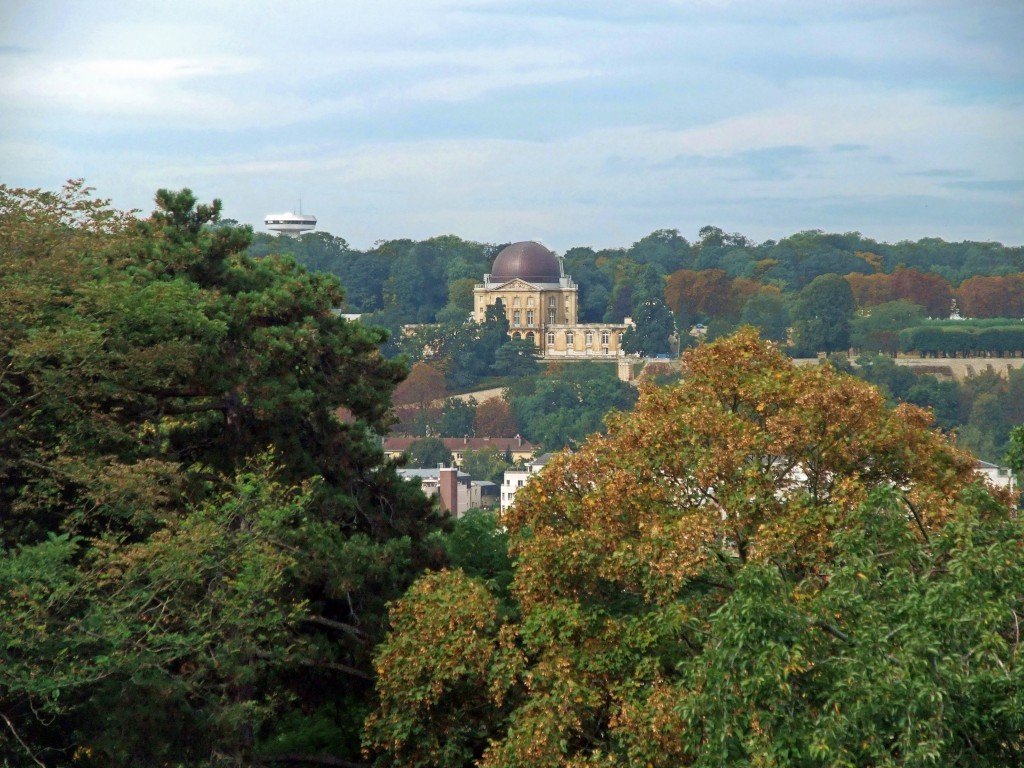
The delightful Parisian suburb of Meudon is one of the city’s most coveted addresses. Rodin bought Villa des Brillants here in 1895 and today the Louis XIII-style house, with its vast studios and collection of the sculptor’s works, is a mesmerising museum – think Monet’s house at Giverny. Film stars, sports personalities and celebrated artists live in Meudon for the rarefied atmosphere and aristocratic homes. But for most Parisians, Meudon is first and foremost its forest. The Forêt de Meudon is an immense 1100 hectares of ancient trees, streams, ponds and rivers and is one of the city’s best places for running, walking and horse-riding. The Forêt de Meudon is also an important pre-historic site and has several fine examples of Menhirs and standing stones. For more recent and slightly glossier history, the Château de Versailles is less than half an hour’s drive west of Meudon.
Metro station: Val Fleury
Ménilmontant
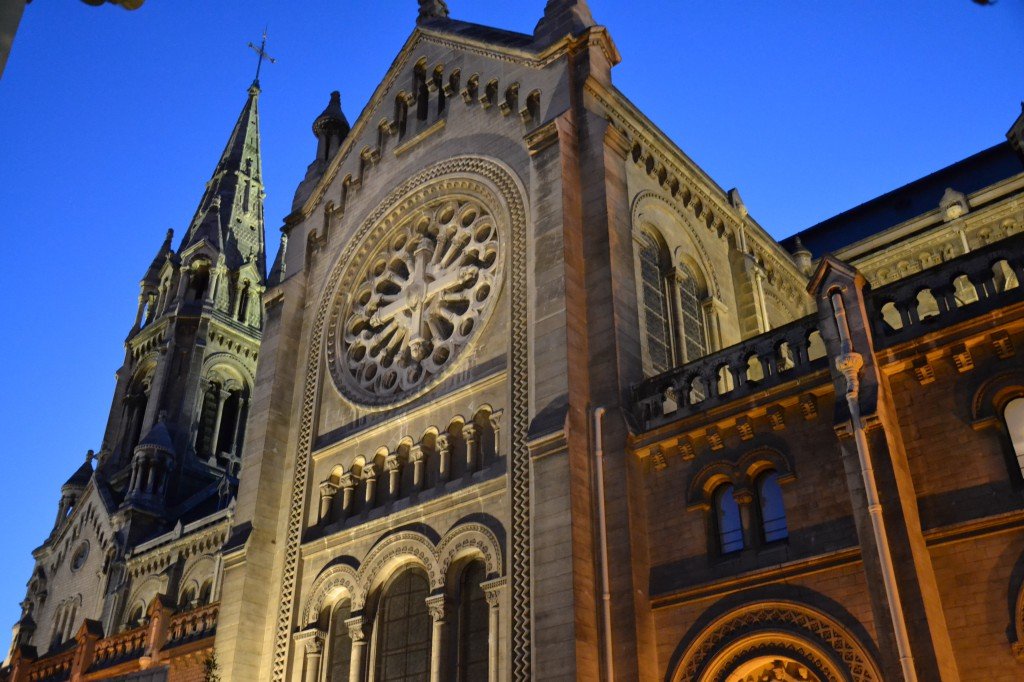
Ménilmontant is one of those fascinating Parisian quarters that visitors always wish they’d found earlier, mostly because it’s in the 20th arrondissement, which is often dismissed after a tour of Père Lachaise Cemetery. But be curious and you’ll discover there’s a lot to love about Ménilmontant. It’s the birthplace of Edith Piaf (there’s the Musée Edith Piaf for fans of ‘The Little Sparrow’), was once an enclave for Parisian artisans and today has one of the most exciting and innovative creative communities in Paris. Shops like Eva Pritsky (brocante by day, bistro by night) and Débrouille et Cie epitomise Ménilmontant’s fresh, innovative attitude. Young artists, designers and craftspeople live and work here for its authentic village in the city feel and Ménilmontant is Paris at its most affordable so it is great for finding reasonably-priced cafés, bars and restaurants. La Piscine Oberkampf, a late 19th century pool for serious swimmers, is stunning so make sure you ignore the unimpressive entrance and venture inside for a dip.
Metro station : Ménilmontant
La Coulée Verte
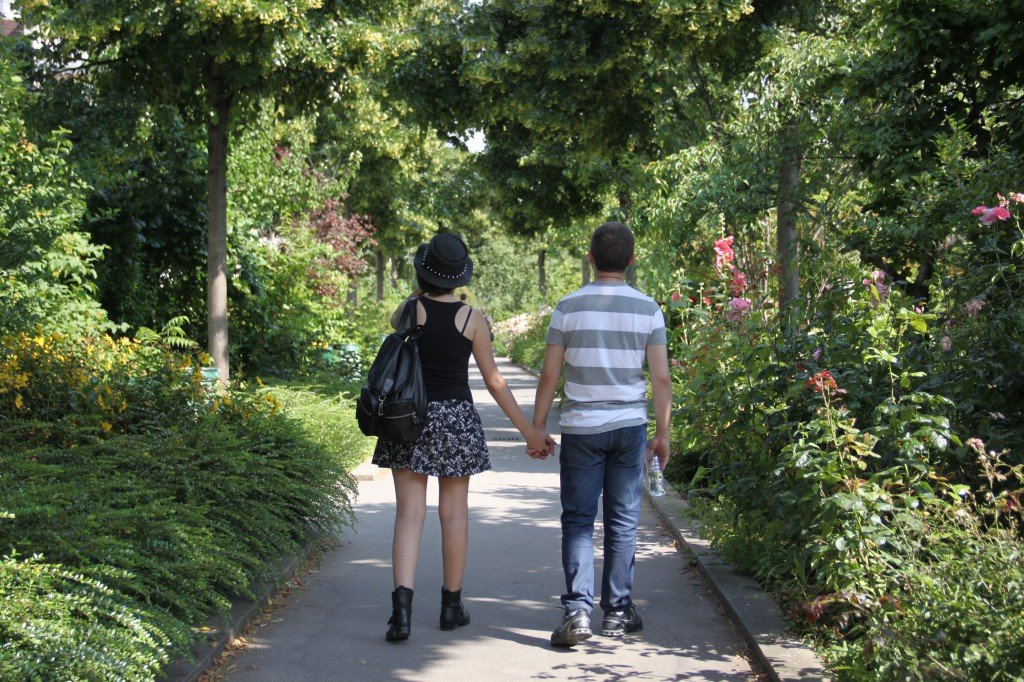
La Coulée Verte or Promenade Plantée is a 4.7km of lush, green walkway running through the 12th arrondissement. If you don’t notice it immediately, don’t be too hard on yourself as La Coulée Vert is elevated 7m above street level along the disused Vincennes’ railway line and there are even native Parisians who don’t know it’s there. However, those in the know love it. It’s like a wonderful, rich, soaring garden right in the heart of the city but it’s delightfully well organised, so there’s space to walk, run, cycle and rollerblade in peace. You can shop the impressive arts and crafts ateliers of Le Viaduc des Arts en-route and, found right in the middle, the delightful Jardin de Reuilly is a favourite picnic and playing spot for Parisian families. La Coulée Verte is also the start of the enchanting Véloroute de la Marne, a cycle route that runs all the way to the Champagne region.
Metro station: Daumesnil
La Cité Universitaire
With 40 unique buildings representing 140 countries, spread out over 34 hectares in the city’s 14th arrondissement, La Cité Universitaire is one of Paris’s most spectacular modern achievements. Built between 1925 and 1969 to foster cultural harmony through education and research, La Cité now accommodates over 10,000 international students annually in Halls of Residence created by renowned architects like Le Corbusier, Claude Parent and Willem Marinus Dudok. Each building’s design reflects its country of origin and seeing so much architectural diversity in one place is quite astonishing. At 34 hectares, La Cité’s Eco-Campus is one of the city’s largest parks and seems impossibly peaceful considering its central Paris location. There’s also a year-round programme of music, theatre and exhibitions at La Cité, which includes a wide range of events open to all, mirroring the philosophy of understanding and enlightenment that lies at the heart of this Universitaire.
Metro station: Cité Universitaire