
At HouseTrip we don’t want you to just visit London. We want you to live like a Londoner and explore beyond the traditional tourist borders, unearth its hidden hotspots and re-discover its most famous landmarks. Our insider guides are written by local residents that have all lived in, worked in and loved London for years and they are inviting you to sightsee, wander, eat and shop in their very own, personalised boroughs. They’ve shared their secret haunts, recommended sights and favourite spots so that you and your family can experience the kind of London stay that you can’t read about in a guide book or find on the internet. So make your stay truly memorable - pack your bags, pick a lesser-known part of the city and open the door to London.

What do you look for when you’re searching for a London base? A mind-boggling array of restaurants and shops? Check. Ridiculously good transport links? Check. The kind of elegant houses that most people dream about owning, or at the very least borrowing for a while? Check. Looks like Paddington and Bayswater have it all then. The area is a little less pristine and polished than neighbouring Marylebone and Mayfair, so search behind the smart, white stucco terraced houses and the upmarket shops in Connaught Village and you’ll find the beating heart of the borough along Queensway. Stacked with affordable eateries and bars (as well as London’s only combined karaoke, ice rink and bowling venue) this buzzing road stretches all the way to Hyde Park. If your family’s tastes are more exotic, a 15-minute venture from Paddington station will take you to Edgware Road where Turkish BBQ food, North African music and the fruity smoke of street-side shisha pipes are on offer.

In 1894 The Times newspaper called Bloomsbury “The great national storehouse of learning of all ages and the arts of all humankind” and the borough hasn’t changed much since. It’s still an artistic, literary and scientific hub where you’ll have The British Library and the British Museum on your doorstep, the hallowed halls of London’s oldest universities around the corner and you could, in the past, have counted Charles Darwin, Virginia Woolf and The Pre-Raphaelite Brotherhood as your neighbours. Today, Bloomsbury is a pretty mix of independent shops, green spaces and heritage houses, which feels like a village that has managed to retain its unpretentious charm, despite its central location and obvious cultural prowess. While this borough is individual, it’s far from isolated with Oxford Street just a 20-minute walk from Bloomsbury’s Russell Square and the Michelin-star restaurants, pop-up bars and coffee shops of Charlotte Street a 15-minute stroll away.
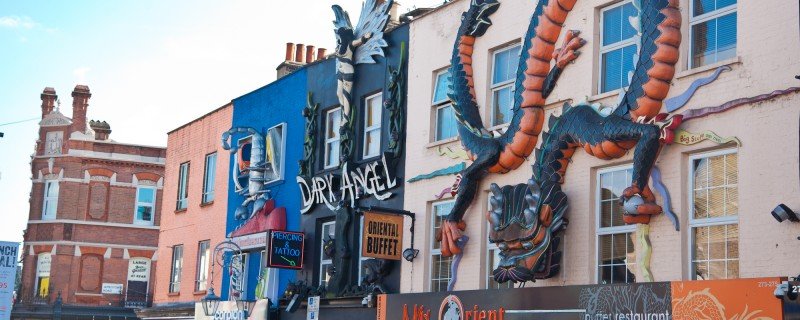
Colourful is the word that most people use to describe Camden and they aren’t wrong. From the outsized shop signs along Camden High Street and the brightly-painted boats on the canal to the sprawling bric-a-brac and steaming platters of curry and noodles in Camden Market and the pink-haired punks strolling around Kentish Town, this borough practically explodes in eye-searing Technicolor. It’s not all outlandish fashion, edgy music venues and retro shopping here though. Things get much more tranquil canal side, where you can hop on a boat from Camden Lock to Little Venice. The borough borders also scythe through two of London’s best-loved green spaces: Regent’s Park and Hampstead Heath. Travel seven minutes on the overground north from Camden Road and you’ll be in the leafy expanse of The Heath and, in a 14-minute stroll, you could be showing the kids the animals at ZSL London Zoo in Regent’s Park.
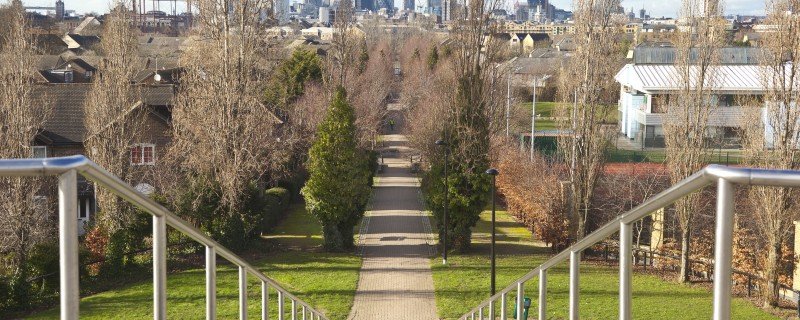
There’s more to Canary Wharf than meets the eye. At first glance, this business borough appears to be just suited workers, steel towers and glass-fronted offices, but look closer and beyond the pinstripe and the concrete and you’ll see a district that’s transforming into a thriving area. Teeming with museums, restaurants, shiny new houses and, of course, great river views, Canary Wharf is well worth the trek out east. Found on the Isle of Dogs, the area is home to one of the most vibrant markets in the city – Billingsgate Fish Market – and traders still gather in the early hours to haggle over London’s freshest fish. Known as the alternative Square Mile, this area might be more modern architecture than ancient monuments, but London’s second tallest building at the Canary Wharf Tower and the Museum of London Docklands should be enough to keep even the least business-minded visitor entertained.
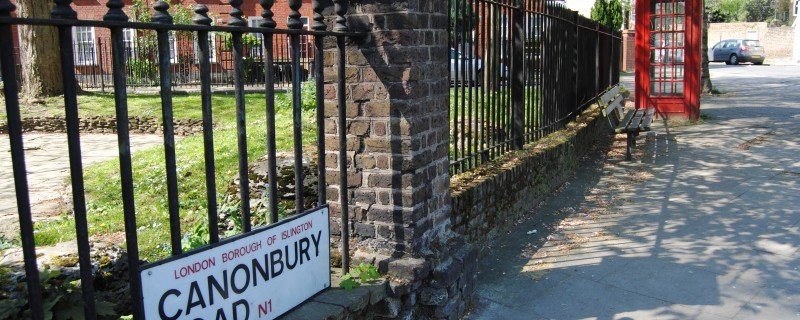
In recent years, the residential district of Canonbury has developed into a sort of borough within a borough, sitting as it does between two Islington thoroughfares: Upper Street and Essex Road. While the restaurants and live music venues that span Upper Street and the traditional pubs along Essex Road are only a five-minute walk away, there’s plenty within the confines of Canonbury to distract an entire family on a few days’ holiday in London. Tire your kids out at the playgrounds in Canonbury Park, or take the whole family on a bike ride along the stretch of river and woodland at New River Walk. Running through the trees and trying to spot the local wildlife should keep the outdoors-loving children in the family entertained, while stops at the Marquess Tavern and Myddleton Arms along the way will keep mum and dad sufficiently occupied. If you’re still itching to stray beyond the district borders, Camden’s punk-rock clothes shops and international food markets are just a 20-minute train journey away.
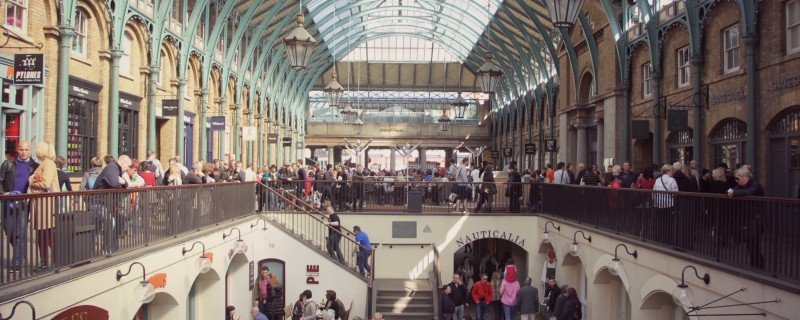
At first glance Central London looks like an impenetrable metropolis, latticed with multi-coloured tube lines, studded with famous landmarks and heaving with an intimidating mass of shoppers, commuters and tourists. On closer inspection this part of London is one of the most walkable, accessible and interesting in the capital, where ultra-modern high-rises tower over hundred-year-old houses and you’re never far from a quiet side street or the peaceful confines of a church or museum to escape the seething city crowds. Despite the mind-boggling array of must-see attractions, the Thames River or one of the city’s parks is never more than a ten minute walk from London’s centre. To top it off it has accommodation options ranging from luxury flats packed with period features to converted attics and penthouses overlooking Trafalgar Square, so it’s pretty unsurprising that visitors and locals alike keep coming back for a slice of central London living.

Chelsea makes up one half of the Royal Borough of Kensington and Chelsea, which is probably why it’s jam-packed with upmarket shops, Michelin-star restaurants, cocktail bars and some of the best looking houses and manicured squares and parks in London. Don’t be fooled by its gleaming exterior though - there was once rebellion and a hotbed of alternative fashion and culture brewing under Chelsea’s chic façade. The sex, drugs and rock’n’roll of the swinging sixties kicked off on the famous King’s Road and the area saw the birth of punk in the 70s. Nowadays Chelsea might be more bankers than bohemians, but it’s still one of the prettiest places to stay. If you’re based in Chelsea then you’ll never be more than a ten-minute stroll from the boutiques and coffee shops of the Fulham Road and King’s Road or from the banks of the River Thames along the picturesque stretch of walkway at Chelsea Embankment.
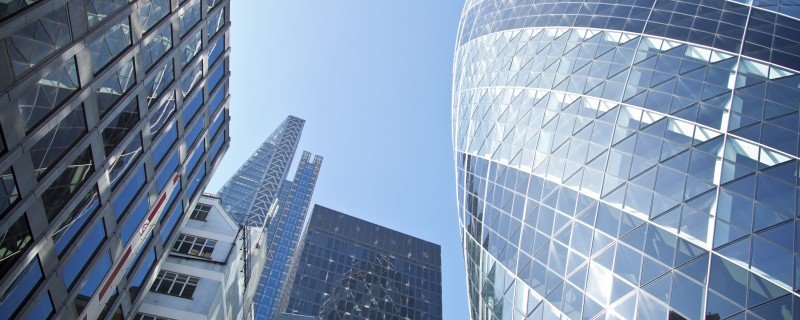
The City is the business epicentre of London. It’s so central that wherever you look, St Paul’s iconic dome is an almost permanent fixture in the skyline. This is where London started with the Romans 2000 years ago and it’s been evolving ever since, although one thing hasn’t changed: most Londoners would love to live here. If you need to plot an escape route from The City’s sometimes intimidatingly upmarket confines, you can duck down one of the secretive alleyways in between the area’s elegant buildings and discover a hidden square, park or cluster of grand houses; or make a break for the cavernous, cast-iron and brick Smithfield Market, which is four-minutes from Barbican tube station. Remember that you’re only ever a short walk from the riverbank here and breathing in a lungful of the icy Thames breeze is guaranteed to blow away any lingering symptoms of sight see-er’s fatigue.

Clerkenwell and Holborn might sit on the edge of the financially-orientated environs of The City, but you won’t find too many bankers here. In Clerkenwell you’re more likely to bump into architects and designers as this borough, which has all the cool of neighbouring Shoreditch with less of the hipster grit, is more popular with creatives than accountants. In contrast, the long arm of the law stretches through Holborn and, as well as being home to the University of the Arts, it’s also where you’ll find the historic Inns of Court School of Law and the UK’s most famous courthouse: The Old Bailey. There’s more to these locations than the usual parade of architecture, museums and markets though; Holborn happens to be an eight-minute stroll from the upmarket shops of Covent Garden and you’ll find more Michelin-starred restaurants than your stomach could handle in a week’s stay dotted around Clerkenwell.
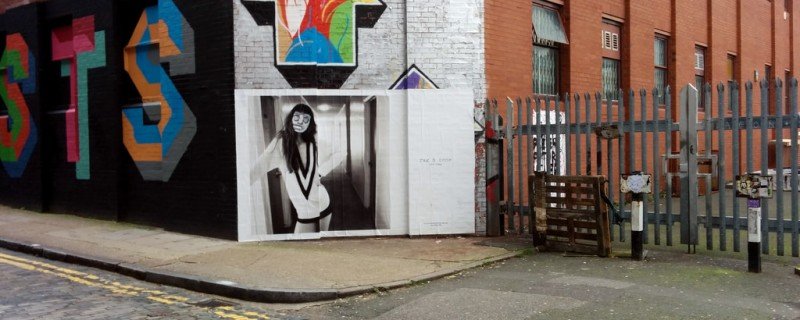
Hackney. The name conjures up images of gritty, urban bars, retro antiques markets and artisan, organic, home-brewed coffee in eco-friendly, up cycled, recycled cups. This borough might be known as a hipster mecca, but if penny-farthings, ironic haircuts and vintage rucksacks aren’t your thing you’ll be pleased to hear that beneath Hackney’s too cool for school vibe there are acres of rolling parkland, miles of towpaths littered with pubs and bars and one of the best food scenes in London at Broadway Market. Grab the family plus the pet pooch and wander down the River Lea’s meandering waterways, which are five minutes from Hackney Wick tube, or head to villagey Stoke Newington in this family-friendly borough. If you’re after a place to stay, all you need know is that everyone from pop singers to movie stars have flat hunted here, which speaks volumes for the area’s loft-style apartments and townhouses.

The huge borough of Fulham and Hammersmith winds its way up to the local nature reserve of Wormwood Scrubs and around the curves of the Thames, offering acres of riverfront bars, cafés and pubs and endless options for some genteel, West London drinking. In fact, after all the polish it’s had in the last few years, Fulham has smartened up so much it’s almost impossible to tell where well-heeled Chelsea ends and it begins. Luckily, the some areas of Hammersmith and Fulham have retained their multi-cultural expat population and the spectacular array of international food and culture that comes with it. If you have hungry mouths to feed, a walk down Uxbridge road will offer authentic food from Syria, the Middle East and Ethiopia, while nearby Shepherd’s Bush Market is stocked to the rafters with vividly-coloured sari fabric, falafel stalls and grocers selling everything from breadfruit and cassava to yams.

With a 20-minute commute to London’s centre and a thriving fringe theatre culture, Islington might be one of the smallest boroughs but it has been attracting city workers and creatives alike for years. Since the area was gentrified in the 1980s, Islington’s clashing collection of elegant Georgian townhouses and modern, canal-side flats have made it hot London property. Combine that with a sprawling Farmer’s Market that’s spread across Chapel Market every week and the tree-lined parks of Highbury Fields, where active families head for tennis sessions and swimming and the attractions of staying here are abundantly clear. If green spaces and fresh, home-grown vegetables and flowers don’t grab your attention then perhaps the thought of hunting out historic treasures in the labyrinthine antiques stalls along Camden Passage will, or even the 20-minute hike down Upper Street to Angel past its eclectic bars, live music venues and plethora of restaurants.

They say good things come in small packages and St James’s is no exception. This tiny rectangle of London punches well above its weight and is just as full of interesting buildings, restaurants and gardens as the bigger boroughs that surround it. The area was once populated by the wealthiest members of the British elite and every other house along its leafy streets looks like a palace. Most of these houses are still residential and private, but visitors to the borough can see inside the most palatial residence of them all at St James’s Palace. Despite being bordered by the busy districts of Charing Cross, Piccadilly and Green Park, all you need to do to escape the crowds is duck into nearby St James’s Park. The views here are unbeatable and it is often referred to as one of the loveliest parks in London. If you’re staying in the borough, you can admire it every morning when you wake up.

St John’s Wood’s elegant, tree-lined streets and lush green borders along Regent’s Park have attracted celebrities and normal folk alike to its townhouses and grand apartment buildings. Throw in the quiet, residential roads around Maida Vale and the perks of Little Venice’s waterways and a 20-minute commute to the City and it’s pretty obvious why these boroughs are so popular. While the Georgian mansions of Maida Vale might have been carved up into smart apartments, one thing hasn’t changed: Abbey Road Studios, where The Beatles recorded one of their most famous albums have stayed the same, as has the famous road crossing outside. If you’ve had your fill of the high street and boutiques along St John’s High Street, there are colourful canal boats and cafes to visit in Little Venice. The borough is also home to the iconic cricket grounds at Lord’s – the perfect venue for sport lovers of all ages.

Kensington, one of the Royal boroughs, is where you’ll find one of the official residences of the British Monarchy at Kensington Palace, as well as the perfectly round and perfectly-formed architectural masterpiece that is the Royal Albert Hall. Writers, as well as monarchs, were wooed by this affluent area and if you hunt around the flower strewn parkland of Kensington gardens you’ll spot the Peter Pan statue, which was commissioned by J.M. Barrie - the author of the Peter Pan books. Set just outside of the centre of London, Kensington is close enough to be able to reach the city sights in a short tube journey, while still offering visitors peace and quiet in its genteel surrounds. When you’ve had your fill of the shops and restaurants along Kensington High Street, staying in the borough means you can escape to your own slice of home in one of its red brick mansion houses and claim your own corner of Hyde Park with the morning joggers and weekend walkers.
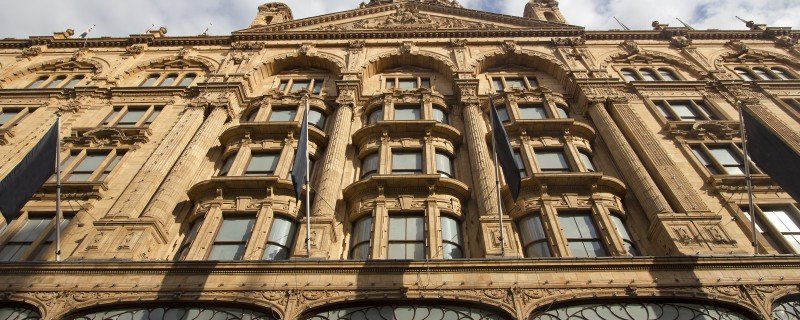
It’s easy for visitors to Knightsbridge to assume that its inhabitants think they’re a cut above the London pack and, in all fairness; this borough does have some impressive bragging rights. It’s home to a collection of sumptuous hotels and restaurants that practically ooze good taste. It’s a stone’s throw from Hyde Park and a ten-minute walk from the free museums along Exhibition Road. To top it off its main street, Brompton Road, is bookended by the luxury shopping behemoths of Harrods and Harvey Nichols. A hundred years ago, Knightsbridge was a little village outside the city centre and while things have got quite a bit bigger now, you can still crack its surface to discover gems like peaceful, grassy squares overlooked by imposing international embassy buildings in Belgrave Square Garden. What’s more, there are enough stunning studio flats, bijou maisonettes and grand apartments to transport even the most discerning traveller straight to accommodation heaven.
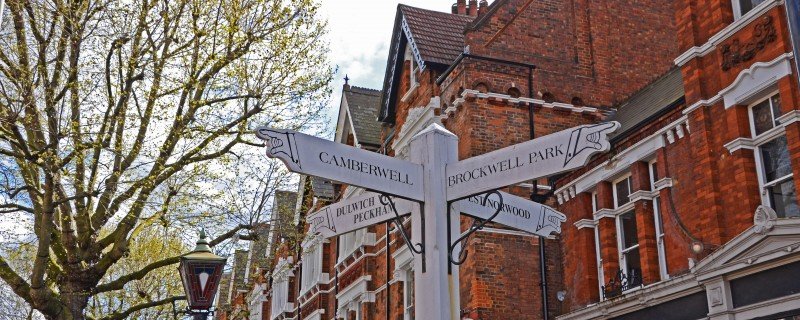
Lambeth has fast become one of London’s most desirable places to live south of the river. The area had a lick of paint and a polish in the 90s and the streets around Clapham and Brixton became hot property for a new generation of Londoners looking for green spaces, cool restaurants and a mix of housing, libraries and museums. Lambeth has more than its fair share of fields and urban food markets, from the leafy expanse of Clapham Common – overlooked by converted Georgian flats and bordered by the boutique-lined Pavement - to the buzzing markets that cover Electric Avenue every morning in Brixton. Lambeth stretches up to the River Thames, encompassing Waterloo - one of the city’s major transport hubs - and the waterside stretch of arty Southbank with its restaurants and shops along the way. In fact, the great transport links make it an ideal stopover if you want to bypass the bustle of the city but still feel like you’re part of London proper.
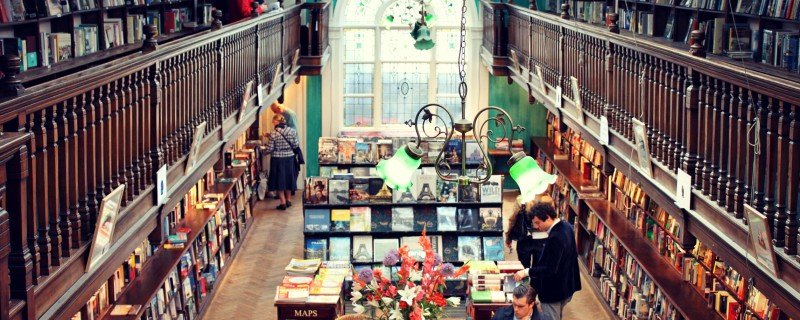
Visitors to Marylebone might find themselves a little, well, confused by how French the High Street feels. It might seem like the London-based Francophile’s dream with patisseries and French delis lining the road, but the surrounding areas of Fitzrovia and Baker Street are definitely more Anglo than Franco. Marylebone also has weekend farmers’ markets selling retro clothes and local food and there are a host of attractions nearby, including The Wallace Collection - a treasure trove of paintings and old suits of armour. Walking to Baker Street you’ll find 221B, the fictional home of Sherlock Holmes - the most famous detective in British literary history. A stroll down Tottenham Court Road in Fitzrovia will reveal a string of pubs and big name homeware stores like Habitat and Heals slotted between the office buildings. Staying here means you’re never more than a 10-minute walk to Regent’s Park or a 15-minute stroll from the grassy expanse of Hyde Park.

Ah, glossy Mayfair. Traditionally the most expensive - and therefore most desirable - square you could own on the Monopoly board, real life Mayfair lives up to its wealthy reputation rather well. Smack bang in the city centre, lined with pretty mansion blocks surrounding private gardens and latticed by some of the most famous (and famously pricey) shopping thoroughfares in the whole of London, is it any wonder that people flock to live the high life here? When you’ve had your fill of boutiques on Bond Street, shopped and dropped in the glass-fronted designer stores along Regent Street and battled your way through Oxford Street’s crowded chain branches, you’ll be cheered to know that the grassy acres of Hyde Park are practically on your doorstep. Green Park and Buckingham Palace aren’t that much further away either and Trafalgar Square’s fountains, lion statues and Nelson’s Column are only a 20-minute walk away.
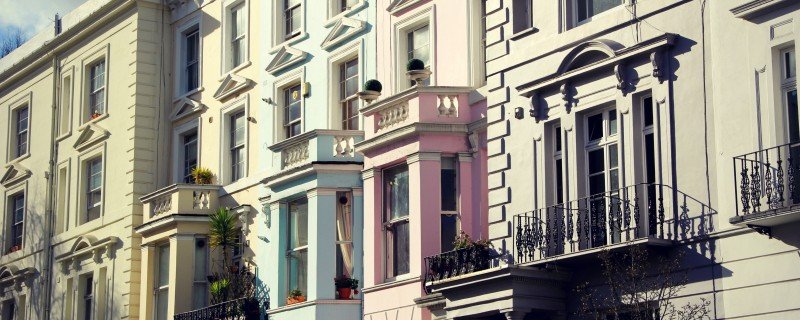
Who wouldn’t want to stay in upmarket, manicured Notting Hill and Holland Park? If that film starring Hugh Grant and Julia Roberts wasn’t enough to showcase Notting Hill’s abundance of natty shops, colourful markets and independent boutiques, perhaps the pull of Portobello Market’s antiques and curios will be. Head east and you’ll find yourself in the 54-acre parkland of Holland Park - a green space that comes with enough sports areas and resident wildlife to keep every member of the family happy. Holland Park is more than just its park though; it’s also where you’ll find one of the most expensive streets in Britain: Holland Park Square. You can stake your own claim to a portion of this prestigious enclave by renting one of its white-fronted studio flats or terraced townhouses. With South Kensington’s museums just a couple of tube changes away, how much more convincing do you need to stay here?

Shoreditch is in a constant state of transformation. It’s somewhere that yesterday’s jam jars become today’s cocktail glasses; the dingy side street you walked past yesterday has suddenly acquired a lick of paint and a pop up restaurant; where 90s graffiti is being viewed on cultural walks by weekend art hunters and old warehouses are reimagined as slick studio flats and ultra-trendy galleries. It’s an area where you can never be sure if that rusty bike you’re looking at is just an abandoned relic or the latest art installation depicting the wastefulness of modern consumerism. But, if you wash off the artistic grit, Shoreditch is more than trendy bars, vintage markets and thumping music venues, it’s home to some beautiful architecture, like the vaulted ceilings and columned facade of Shoreditch Town Hall and enough quirky homewares and cool clothes to keep an entire family of shopaholics satisfied at Spitalfields Market.
If Soho feels like the borough’s naughty little brother then Covent Garden is definitely its refined older sister. One is at the centre of London’s theatre land and is full of neon-signed sex shops, while the other is the home of The Royal Opera House and a bucket load of boutiques under its covered market. But both are equally as fun to explore and have enough restaurants and museums to keep the whole family occupied. Staying in the upmarket area gives you ample opportunity to explore both the boroughs highbrow culture and its scandalously filthy and fun side, while still leaving plenty of time to see some of London’s biggest tourist attractions. The galleries and statues on Trafalgar Square are a 10-minute walk from Covent Garden while Buckingham Palace in leafy Green Park can be reached in a 30-minute stroll. If you’re feeling lazy, it’s worth noting that all of the sights can be reached by tube, too.
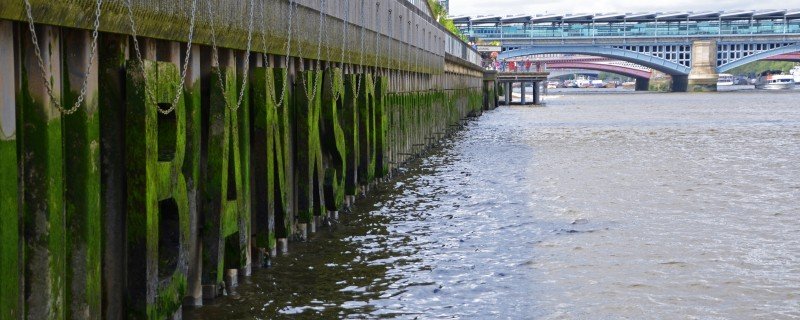
Southwark was once famous for its thriving theatres that were dotted along Bankside in the 16th century. It was inside The Globe, The Rose and The Hope that Shakespeare - Britain’s most famous author - staged his plays. In fact, his plays are still being performed in the renovated Shakespeare’s Globe today. Alongside theatres, Southwark is home to Borough Market - one of the most famous food markets in London - as well as one of London’s most recognisable building: The Shard. Southwark has excellent transport links from London Bridge station, where the Northern and Jubilee lines will take you close to the sights of Central London. It’s only a bus or train ride away from the tree-lined streets of Dulwich and close to Peckham, which was once best-known as the setting of Only Fools and Horses - a popular British sitcom - but is more recognised now for its nightclubs and cocktail bars.
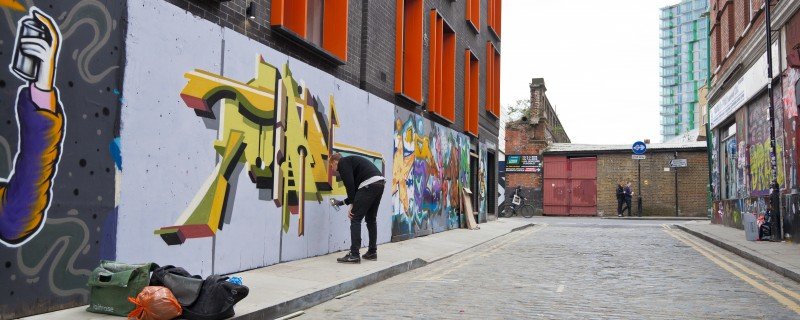
Tower Hamlets might not have had the best reputation in the past, but more recently it’s become known as the place where the archaically old and sparklingly new have blended to create a huge, super borough. Here it’s possible to see some of London’s oldest buildings in the morning then spend your afternoon marvelling at the glass and steel metropolis of Canary Wharf as the sun sets over the banking district. Bookended by The Tower of London and the turrets of Tower Bridge to the South and parkland to the north, despite undergoing massive renovations over the past years, Tower Hamlets has kept its character intact. Active families should make a beeline for the rolling green of Victoria Park. The grassy grounds here are consistently voted as the city’s top park by Londoners and, with regular nature activities for kids, a multitude of sports facilities and live, bandstand music events throughout summer, it’s easy to see why.

Regency-era buildings galore, which provide perfect city escapes for a London stopover. It’s also home to one of the City’s busiest transport hubs at Victoria Train and Tube Station, so getting around London and beyond is a breeze. Victoria was named after one of Britain’s longest serving monarchs – Queen Victoria – and it’s full of buildings and monuments that are dedicated to their royal heritage. Kids will have hours of fun trying on the armour or exploring the hands-on exhibitions at the Victoria and Albert Museum, which holds regular Family Art Fun! events. Pimlico is a place that often gets overlooked for its shinier neighbour Chelsea, but its peaceful greens and proximity to the riverfront make it an ideal base. Besides, even if you’re unfamiliar with the area, visitors can’t fail but be impressed by its roster of previous inhabitants, which include Winston Churchill and Laurence Olivier.

Straddling the edge of the River Thames from Clapham Common to Putney Heath with a skyline dominated by the looming towers of the iconic Battersea Power Station, Wandsworth is a borough worth visiting. Said power station is currently being converted into luxury, river view flats, while the Northern tube line is set to link the borough in 2020 and the city centre remains an easy, twenty-minute commute from the middle of Wandsworth. Go west to Clapham and Streatham’s networks of residential streets, independent shops and splashes of green parkland and commons or take your kids north to see the lemurs at Battersea Park Children’s Zoo. Venture east to upmarket, riverside Putney where weekend rowers set sail from the line of boat clubs along the riverbank. Easter visitors will be able to catch the country’s most famous boat race here as the teams from prestigious universities Oxford and Cambridge go head to head in a race along the Thames.
Ready to go? Browse the range of London holiday apartments today.
There are some sights in London that are simply unmissable and for a very good reason. These are the buildings, monuments and architectural masterpieces make it onto everyone’s city hit list when they come to town. It isn’t just tourists climbing on the lion statues or steps of the National Portrait Gallery in Trafalgar Square and it certainly isn’t just visitors who flock to Southbank’s London Eye. Even born and bred Londoners still come to marvel at The Houses of Parliament’s waterside façade or ride the lift to the top of The Shard for vertigo-inducing vistas over their city. If you’re staying for a week or even if you’re just stopping by for a day, cherry picking a few of these iconic sights will give you a taste of old and new London and some of the best views the city has to offer.
Buckingham Palace Buckingham Palace is the world’s grandest ‘private home’ and for 60 days every year, The Queen throws open some of her doors and lets visitors experience the splendour for themselves. Expect to feel déjà vu touring the magnificent State Rooms and Picture Gallery as you’ll probably recognise most of the priceless art from the Royal Collection, like the famous Canaletto paintings or works by Rembrandt, Rubens and Da Vinci. Buckingham Palace is always busy, but you can take one of the Evening Tours, which are limited to just 30 guests and still feel intimate. If you visit during the day, go early and spend at least three hours in the Palace and catch the Changing of the Guard. Afterwards, pick up a picnic and head for the grassy expanse of Green Park opposite and share the view with Londoners on lunch breaks.
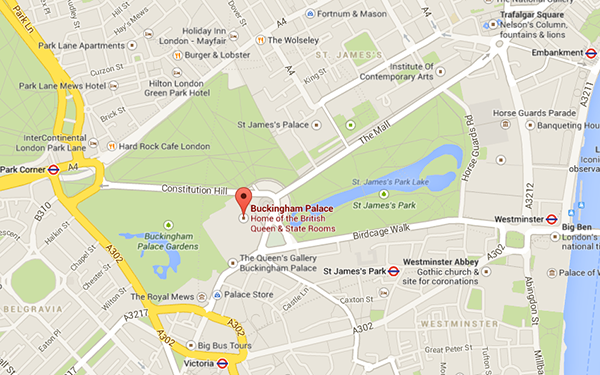
View holiday rentals near Buckingham Palace.
Nearest Tube Stations: Green Park, Victoria, Hyde Park Corner.
The British Museum The one place in London that guarantees famous names is The British Museum. It’s the UK’s largest museum and home to The Rosetta Stone, The Parthenon Marbles and more than 8 million other ancient artefacts. There are entire temples, rooms and tombs on display inside this magnificent and iconic building, but the best thing about The British Museum is how fresh and totally un-museum like it is. They’ve thought of everything, from children’s trails to free activity backpacks (just ask). There are 15 guided tours daily, lunchtime talks and even tours where you can touch the exhibits – all free. Although for just £12 ‘Around The World In 90 Minutes’ is a weekend tour worth taking. If you’re in the mood for museums, the wonderfully eccentric Sir John Soane’s Museum in historic Lincoln’s Inn Fields is just a short walk away. 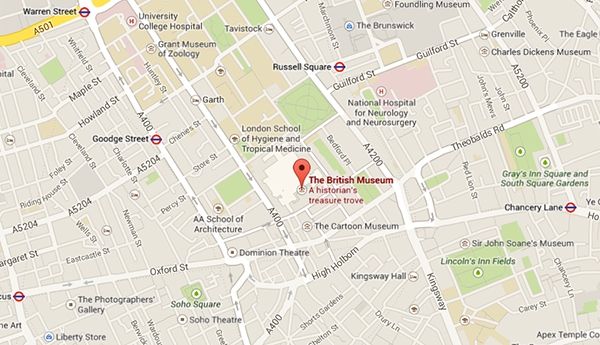 Nearest Tube Stations: Russell Square, Tottenham Court Road, Holborn, Goodge Street.
The Houses of Parliament Stretched grandly along the banks of the River Thames and presided over by Big Ben’s mighty tower, no London building is as instantly recognisable as The Palace of Westminster, aka The Houses of Parliament. This is the powerhouse of British politics and the architecture is suitably imposing, but take a riverside stroll in the evening and the beautifully lit Gothic details can also look strangely ethereal and romantic. Behind closed doors the contrasts are equally dramatic, which you can see for yourself on a Guided Tour. After taking in the graceful Pugin interiors, the pomp of The Queen’s Robing Room and magnificent Westminster Hall, you can end these occasional Saturday tours with a traditional afternoon tea on the Terrace. If you still have room for more Westminster after tea, Westminster Abbey is only three minutes’ walk from The Houses of Parliament. 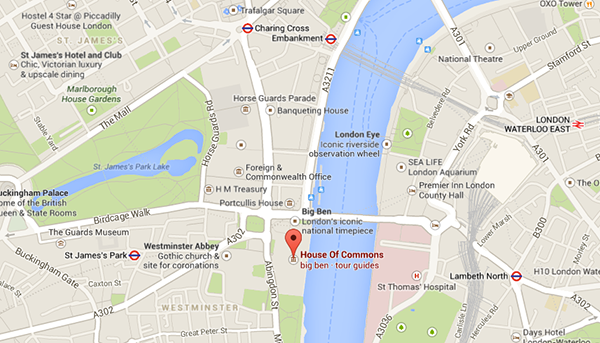 Nearest Tube Stations: St. James’s Park, Westminster
Borough Market Every Londoner knows Borough Market. Right in the heart of Southwark, it’s the city’s largest and best food market so if it’s edible and excellent, this is where you’ll find it. From organic cheese, exotic pickles, delicious bread and extravagant cakes to rare coffees, fresh and beautifully displayed fruit and vegetables and dozens of places to eat, drink and graze, Borough Market is artisan, ethical, independent and exceptional. The market is open from Wednesday to Saturday. If you want London’s finest food-to-go, visit the Lunch Market on Monday and Tuesday. There are regular Gastro-Tours, a Weekly Demo Kitchen and, for good, strong British tea and traditional bacon butties, make a stop at Maria’s Market Café - it’s a Borough legend. After you’ve feasted, feast your eyes from London’s highest viewing platform, The Shard, which is five minutes from Borough Market. 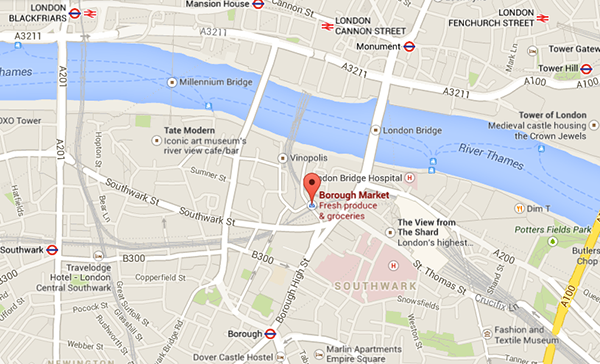 Nearest Tube Stations: London Bridge, Borough
St. Paul’s Cathedral Sir Christopher Wren’s 17th century masterpiece, Nelson’s ultimate resting place and one of the most famous buildings in the world, St Paul’s Cathedral is synonymous with the London skyline. From weddings to coronations and christenings, the Cathedral is at the heart of London’s Royal pomp and pageantry. It’s where the great and good can expect to have their state funerals and where the mighty are entombed in the beautiful crypt. Celebrated for its immense dome, ornate decoration and extravagant detail, St. Paul’s has stayed a peaceful place to escape London’s endless energy for a few hours. If you time your visit for 4.45pm on a Sunday then you can experience one of the unforgettable and moving Sunday Organ Recitals. To put St. Paul’s in context, walk the 10 minutes to The London Museum and explore 1000’s of years of city. 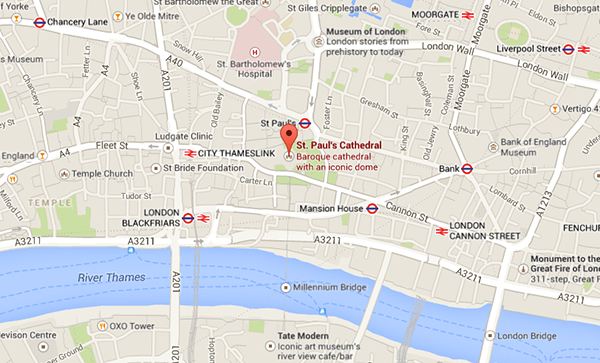 Nearest Tube Stations: St. Paul’s, Mansion House
Tate Modern There’s nothing quite like your first sighting of Bankside Power Station as it looms into view, floodlit in blue and towering over the Thames. Inside it gets even more interesting as it’s home to Tate Modern, one the most thrilling buildings in London. Tate Modern opened in 2000 to house The Tate Gallery’s collection of 20th century art. Today it’s one of the most visited museums in the UK with an astonishing range of works from Monets and minimalist Mondrians to Tracey Emin drawings and dots by Damien Hirst. With seven floors of galleries, the immense Turbine Hall and one of the best museum shops in the city it’s hard not to fall in love with Tate Modern. While you’re on the Thames, catch the Tate Boat and sail from Tate Modern to The Tate Gallery in just 20 minutes. 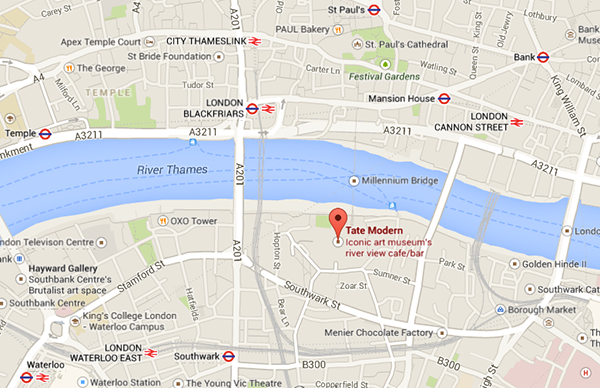 Nearest Tube Stations: St Paul’s, Blackfriars, Southwark
Piccadilly Circus If you’ve heard the expression ‘It’s like Piccadilly Circus’ used to describe a crowded place then visit the real Piccadilly Circus in London’s West End and see it live up to its reputation. Designed originally to link the superb shopping on Regent Street to Piccadilly, today it’s central to theatre world on Shaftsbury Avenue, Soho’s smart restaurants and clubs and the UK home of Hollywood’s red carpet in Leicester Square’s cinema district and has remained one of the world’s most famous intersections. Piccadilly Circus may be well known for fabulous and over-sized neon signs, but it’s the graceful statue of Eros which always has and always will mark the Circus out as London’s most romantic meeting place. Enjoy the crowds, savour the infectious energy and wander down to Fortnum & Mason’s food hall for some luxurious and typically British treats. 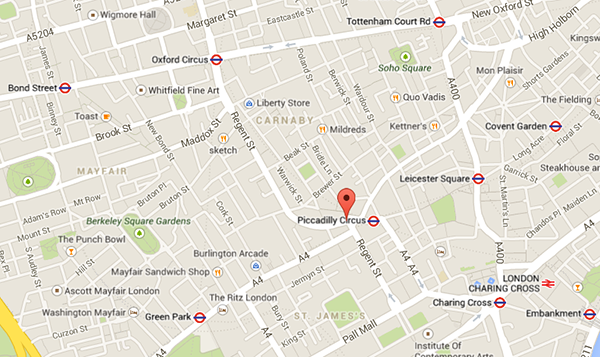 Nearest Tube Station: Piccadilly Circus
Tower of London When treason was punishable by death, The Tower of London was where the accused would ponder their fate, often within sight or sound of other unfortunates being brutally beheaded on Tower Green. Sir Thomas More, Henry VIII’s second wife Anne Boleyn and Mary Queen of Scots all came to a sticky end here and Queen Elizabeth I herself was briefly imprisoned in The Tower. So if your taste comes with a macabre flavour and you relish tales of poignant last words, daring escape plans and unsolved puzzles, The Tower makes an ideal visit. It’s also home to the Crown Jewels, which are watched over by London’s iconic Beefeater Guards and where you can spot the legendary ravens. The Tower of London looks its best from the Thames and there’s no better way to arrive than by River Boat to Tower Pier.  Nearest Tube Stations: Tower Hill
The London Eye The giant Ferris wheel on London’s South Bank is the tallest in Europe at 443ft and one of the biggest in the world. But this is no mere fairground attraction and glamorous as it may be, especially when floodlit spectacularly at night, The London Eye is one of the most exciting ways to experience the city from your own, personal point of view. Climb aboard a pod and, as it gracefully and slowly ascends, watch London reveal itself in tantalising glimpses until the city is finally laid bare in one panoramic sweep at the top. The London Eye’s revolution takes a total of 30 minutes and feels completely effortless. Once you’ve come back to earth, go underground with a visit to the London Aquarium next door - the perfect place to try the extreme opposite of soaring over the city. 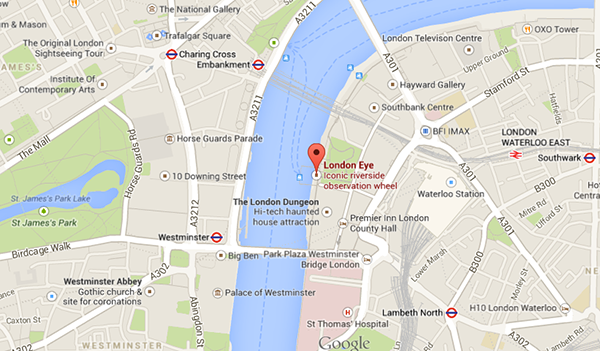 Nearest Tube Station: Waterloo
Natural History Museum If you’ve ever so much as thought about a butterfly’s lifespan, wondered why shells are shell-shaped or wanted to see a dinosaur’s skeleton, then London’s Natural History Museum can tell you who, when, what, why and how in the most fascinating way imaginable. Housed in one of London’s most beautiful buildings, this is one of the largest and most comprehensive natural history collections in the world but it manages to make itself completely accessible, even to the smallest visitors. Pick up one of the superb ‘Parent’s Survival Guides,’ which help families make the most of their trip or, if you visit at Christmas, take to the ice on the museum’s gorgeous skating rink, where mulled wine and hot chocolate are on offer. Drop into the neighbouring Victoria and Albert Museum or walk up Exhibition Road to the equally enthralling Science Museum. 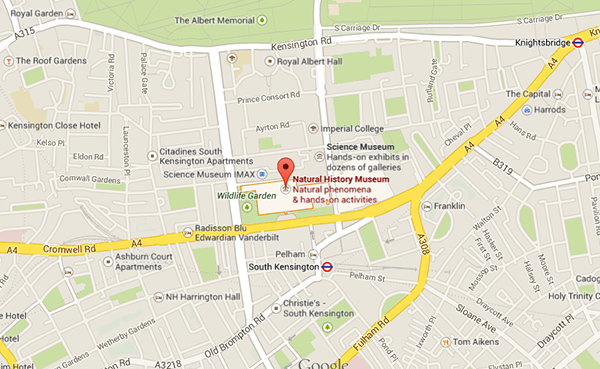 Nearest Tube Station: South Kensington
Trafalgar Square Whether you recognise it for New Year’s Eve revellers, Nelson’s Column or just the fountains and monumental lions, you’ll feel like you know London’s Trafalgar Square already. Wander around and look at the traditional, contemporary and ‘plinth’ art and sculpture on display. Trafalgar Square is the epicentre of London and the perfect place to feel a part of the city so climb the lions or find a spot to sit and people watch. Drop in to the National Gallery and the National Portrait Gallery on the square or stroll up Charing Cross Road for independent booksellers and hours of browsing. If you’re in London and looking for something to do on Christmas Day then Trafalgar Square is where the Victorian London Walking Tour departs from and if anyone can find a cosy pub that’s open over Christmas it’s these experts. 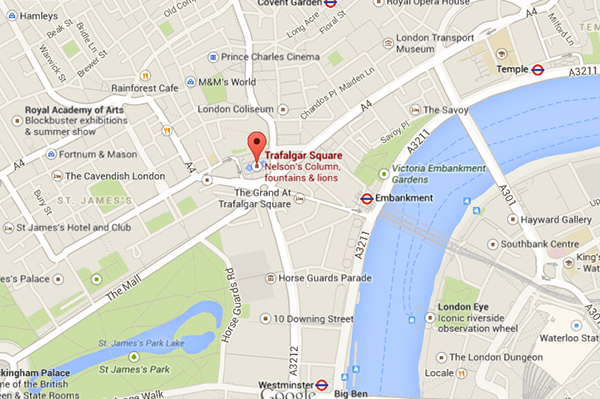 Nearest Tube Station: Charing Cross
The Shard An architectural masterpiece, a piece of modern art or a monstrous eyesore, whatever you think of The Shard it’s fast becoming one of London’s most recognisable sights. Standing like a sentry watching over London Bridge and the serpentine River Thames, this 310 metre high slice of metal and glass is a vertical city that houses lofty office blocks, a hotel, restaurants and The View, where you can fully appreciate the vertigo-inducing 360° panorama of the city skyline. Enjoy afternoon tea with a side order of 40 mile views at Aqua Shard or visit at dusk, when the tower glows amber, for authentic Chinese food at Hutong on the 33rd floor. If you prefer your London views to be less stomach-churning then stay on terra firma and wander around the craft stalls and water-side sandwich shops in the nearby Hay’s Galleria. 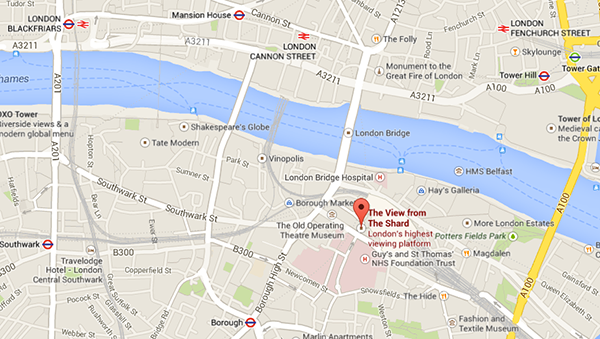 Nearest Tube Station: London Bridge
Sometimes even the most seasoned traveller can get sick of the tourist crowds and needs to escape somewhere that’s a bit more off the beaten London track. Finding undiscovered gems in such a well-travelled city can be a tall order, but luckily for visitors, London still has lesser-known pockets and corners that are have stayed tucked away. For every busy shopping hotspot or been there, seen that borough, there’s an alternative on the outskirts waiting to be explored. If you’re sick of Oxford Street then try shopping for spices or saris at Shepherd’s bush market or, if you’re over Hyde Park, head to Stoke Newington or the leafy Harrow on the Hill. No matter how many times you’ve visited this city, there is always something new to find - so select somewhere you’ve never been before and be inspired to seek out that little piece of unknown London for yourself.
CROUCH END Cool and creative, that’s Crouch End. In fact, more than half the people living in this lovely part of London work in the arts. The area’s annual festival in June is famous for mixing local, national and international design and performance talent and you’ll find London’s oldest Comedy Club at The King’s Head pub. Such high-maintenance locals make Crouch End perfect for artisan shopping, café culture and fantastic food – whether you’re eating out or grocery shopping. To really get to know the area, walk from Crouch Hill to Alexandra Palace. It’s a gentle stroll, but that’s the best pace to appreciate Crouch End’s beautifully kept homes, the prettiness of Priory Park and the city’s most astonishing panoramic views. Alexandra Palace is surrounded by 196 acres of prime picnic park so pick up supplies from a Crouch End deli before you set off. 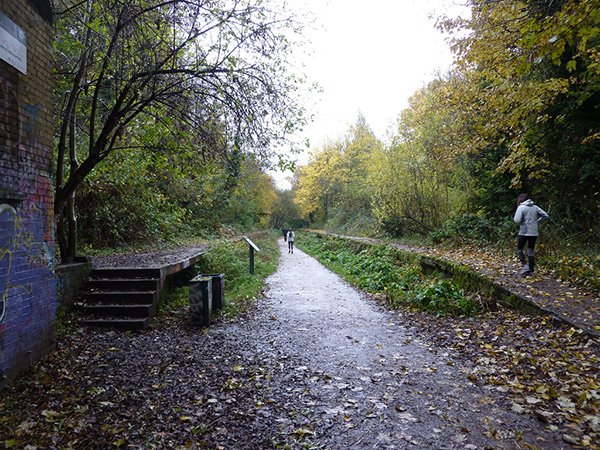 Nearest Station: Crouch Hill
RICHMOND Grand yet still quaint and unspoiled, Richmond is like a little slice of traditional England tucked away in the heart of the countryside – but it’s really only 20 minutes by train from the centre of London. This is where you’ll find Richmond Park with its famous deer and equally famous Kew Gardens as well as Ham House and Hampton Court Palace. It’s ideal for lovers of charming towns and villages with cobbled streets and tiny shops, annual fetes and fairs and world-class theatre and art galleries. For riverside restaurants, pubs and places to stroll, there isn’t anywhere quite like it. Over 20 miles of the Thames at its most picturesque wind through the borough and you can take a cruise day or night. So head to the river, set sail in the wake of ancient Royal Barges and give in to Richmond’s enchantment. 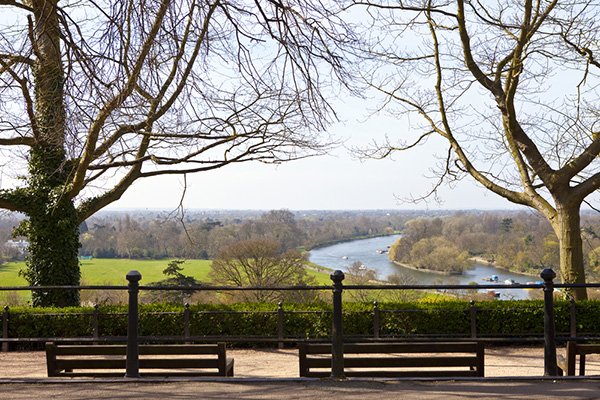 Nearest Station: Richmond
GREENWICH For its grace and symmetry and its several completely unique experiences, London’s longest list of superlatives could be applied to Greenwich. Walk under the immense restored hull of the world’s only remaining Tea Clipper ‘The Cutty Sark’ and climb the Tulip Staircase (Britain’s first self-supporting, spiral staircase) in the Queen’s House to feel like you’re floating in mid-air. Step on to the ‘Prime Meridian Line’ and stand where all time is measured. Explore the entire history of seafaring in the National Maritime Museum and observe time (and space) from a different perspective in the Royal Observatory’s Planetarium. Catch your breath in the vast expanse of Greenwich Park, where people have been doing just that for centuries, or jump on an urban cable car and see the precise geometry of Greenwich from above, where it looks even more astonishing, if that’s possible. 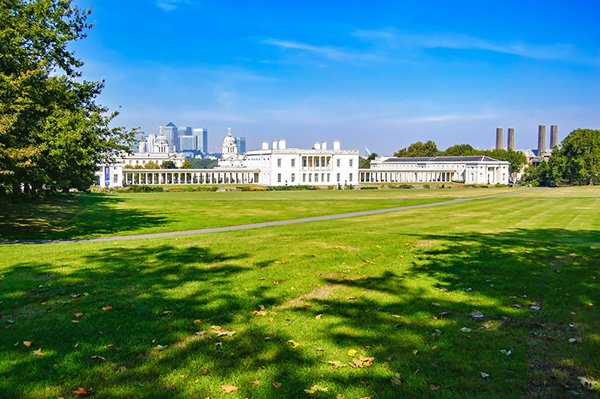 Nearest Station: Greenwich, Cutty Sark
WIMBLEDON If you thought Wimbledon just meant two weeks of tennis at the start of summer every year, take another look. Just seven miles from the city centre, Wimbledon is more like a village than one of the most affluent and popular places to live in London. It’s not unusual to see horses trotting along the streets here and the famous common is like a piece of wild countryside dropped into the heart of the city. Thousands of children have been stage-struck for the first time ever at Wimbledon’s delightful Polka Theatre. The Windmill Museum on Wimbledon Common looks as if it came straight out of a fairy tale. There’s a weekly 5k timed Marathon at 9am every Saturday for all runners and, like all the best villages, Wimbledon’s got some great local pubs for real ale and great roast Sunday lunch. 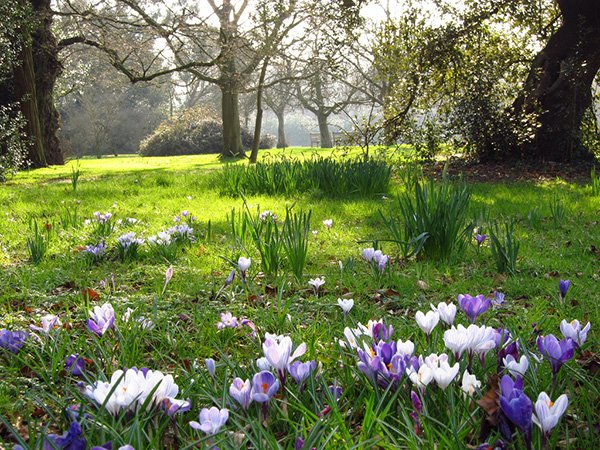 Nearest Stations: Wimbledon, Dundonald Road
ST. JOHN’S WOOD There can’t be many places with such a high celebrity headcount as St. John’s Wood. It’s elegant, interestingly independent, close (but not too close) to the city centre and the architecture is typically old London: graceful and grand. Regent’s Park and ZSL London Zoo are near neighbours and Lord’s Cricket Ground is a solid enough slice of English tradition to keep even the most stellar of stars grounded. If the current celebrity clan in residence does nothing for you then take a stroll along Abbey Road in the footsteps of The Beatles – the famous Zebra Crossing is still there so you can create your own version of that iconic album cover. If the rarefied atmosphere of St. John’s Wood leaves you craving something a bit more bohemian, step into nearby Maida Vale and Little Venice – it’s just as picturesque, romantic and pretty as it sounds. 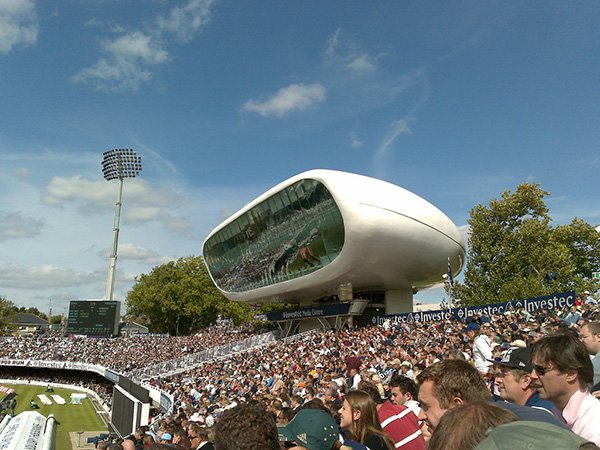 Nearest Station: St. John’s Wood
QUEEN ELIZABETH OLYMPIC PARK London didn’t struggle to re-purpose its Olympic Park. As soon as the 2012 spectacle was over plans were underway to transform the site into a world class public sporting and leisure facility. The project was completed in 2014 and it’s now open to everyone. Zaha Hadid’s stunning Aquatic Centre makes even novice swimmers feel like Olympians; the Velopark is built for speed, but has 8km of mountain bike trails too and, if you want to take your workout to the next level, visit The Copper Box gym and use the incredible equipment. The Queen Elizabeth Olympic Park covers 560 acres, so even if you aren’t sporty, there are walks, adventure playgrounds and picnic places there and you’ll find one of the city’s best views from the top of Britain’s tallest sculpture, ArcelorMittal Orbit, right next to the 2012 Olympic Stadium. 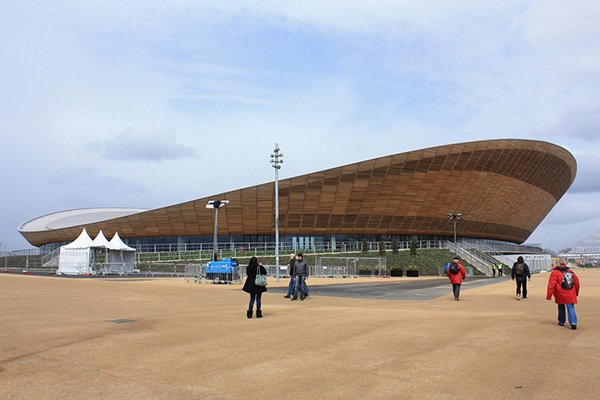 Nearest Station: Stratford
SOUTH BANK Smart, creative, artistic and completely fascinating, London’s South Bank shows off the Thames’s cultural side. If you’re enthralled by all things film, visit the BFI Mediatheque and spend hours browsing through their immense archive completely free of charge. The Florence Nightingale Museum takes an up close look at the grim realities of early nursing and the pioneers who paved the way for modern medicine. For an inclusive experience and almost total cultural immersion, make a big space in your day for the Southbank Centre. This is the world’s largest single-run arts centre and it’s where you’ll find everything from classes and workshops to festivals, children’s events, live music and theatre. The Southbank Centre’s annual programme is huge and diverse, so whether you’re impulsive or you like to plan, there’s always something going on to entertain, interest and inspire. 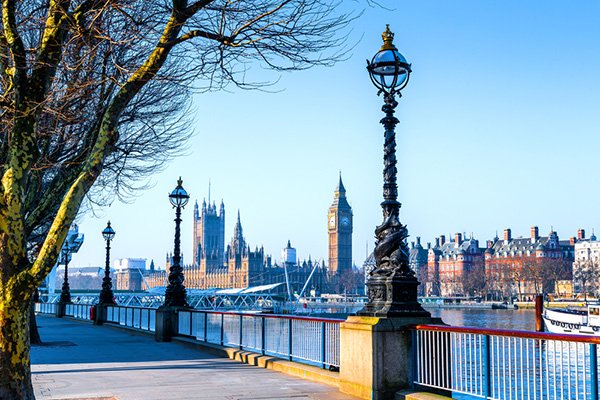 Nearest Stations: Borough, Elephant & Castle, Lambeth North and Southwark
HARROW ON THE HILL If village greens and cottage gardens, eccentric pubs, deckchairs on the lawn and afternoon tea are your vision of traditional England, then Harrow-on-the-Hill is where you’ll find this pastoral idyll. Perhaps most famous for Harrow School, (Sir Winston Churchill, Benedict Cumberbatch and Richard Curtis were all Old Harrovians) Harrow-on-the-Hill is know just as well locally for its exquisite houses, unhurried atmosphere and enchanting streets with bow-windowed shops. This is definitely the place to go if you like wandering around a peaceful area and can’t think of anything more delightful than sipping a cool drink and watching the world stroll by. It’s also worth a visit to see the imposing Harrow School buildings perched above the town. Seeing the pupils walk around in their regulation uniform of old-fashioned blazers and boaters here will make you feel like you’re looking back in time. 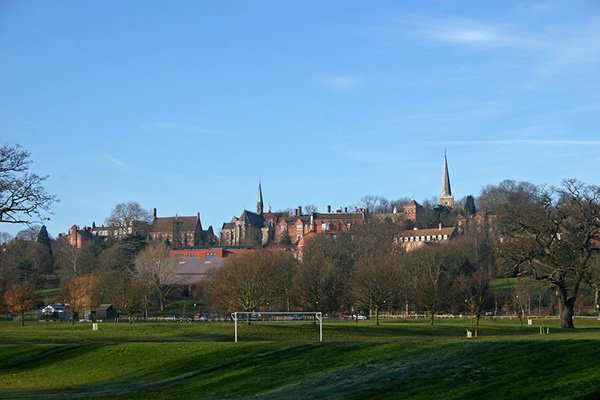 Nearest Stations: Harrow-On-The-Hill, South Harrow and West Harrow
SHEPHERDS BUSH Anyone in London with a passion for shopping will have made their way to Shepherds Bush at some point. This is where you’ll find Westfield, one of Europe’s largest shopping centres. The sheer size of Westfield is mesmerising and if you’re susceptible to the lures of consumerism then be warned as you’ll almost certainly succumb here. Fortunately all of the shops are near plenty of places to eat, drink and rest before you tackle the next round, so you can easily make a day of it. Not as big, but just as famous, is Shepherds Bush Market. Dating back to the early 20th century, the market is lively, colourful and multi-cultural and you’ll find the ingredients for almost anything here. If markets and shopping centres aren’t enough, Shepherds Bush also has lots of lovely, specialist shops for relaxed and gentle browsing. 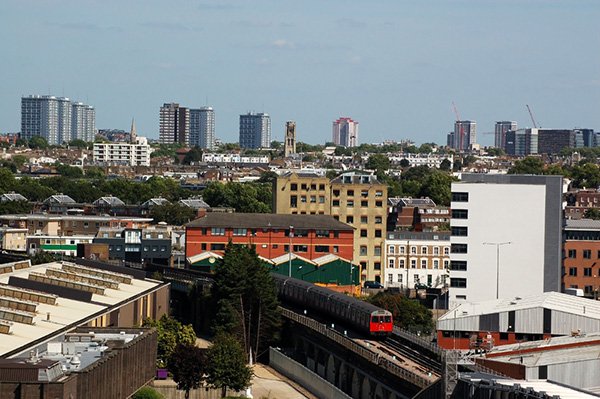 Nearest Stations: Shepherd’s Bush, Shepherd’s Bush Market
STOKE NEWINGTON Stoke Newington is best known for its huge reservoirs, which at one time supplied the majority of London’s water. Today their purpose is a bit more leisurely but no less important if you like to sail, canoe and kayak or even climb. The famous West Reservoir is home to the Castle Climbing Centre - an amazing selection of walls constructed inside the historic former Water Pumping Station, which was originally built to look like a Scottish castle. Keen birdwatchers and wildlife enthusiasts love Stoke Newington because the unspoiled green space and extensive waterways here make perfect natural habitats for all sorts of creatures – including a colony of terrapins. If you visit early on a clear, spring day you can admire the almost parallel spires of Stoke Newington’s two St Mary’s Parish Churches – a rare sight in most London districts. 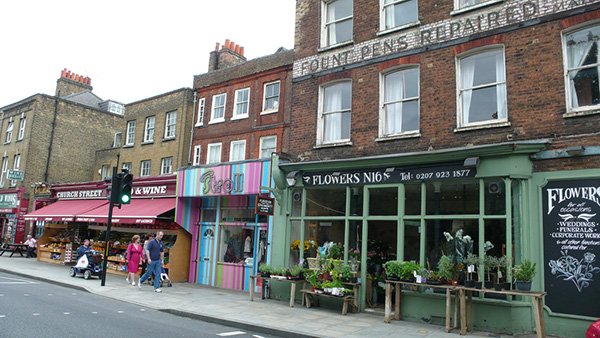 Nearest Stations: Stoke Newington and Rectory Road
NEASDEN Home to London’s largest lake and the largest Hindu Temple outside India, Neasden isn’t short on superlatives. The Brent Reservoir (or ‘The Welsh Harp’ as it’s known locally) covers 110 acres and, as well as its excellent Sailing Centre, it’s an important breeding area for several bird species including the Great Crested Grebe. If you like to cycle, this is the perfect place to spend a sunny afternoon. But without a doubt, Neasden’s most amazing sight is the Shri Swaminarayan Mandir Temple. Vast and unbelievably lovely, this is now one of the UK’s most important Hindu places of worship. The temple’s intricate domes and spires look wonderful at any time of year but visit Neasden in late Autumn for Dwali, (the Hindu Festival of Lights) when the entire building is magically illuminated against the night sky - it’s truly awe-inspiring. 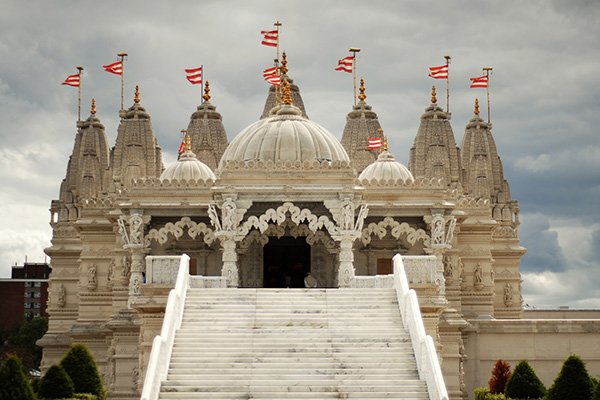 Nearest Stations: Neasden and Dollis Hill
BRIXTON One of the city’s liveliest and most intriguing districts, Brixton isn’t where you go if you’re looking for London’s leafy loveliness. This is the place for loud music, alternative clubs, pubs with reasonably priced beer and real local’s markets that sell just about everything - as long as it’s not expensive or made for tourists - including good, exotic food. There’s a huge mix of cultures in Brixton, so noisy and colourful come as a standard here. The famous Brixton Academy is a legendary venue for live music. Try Brixton Market for great bargains or, if you want to eat out and don’t want to pay city prices, head straight for Brixton Village. Dozens of cafes, local bands and the late night market on Thursday and Friday make this one of London’s best places to just hang out.  Nearest Station: Brixton


